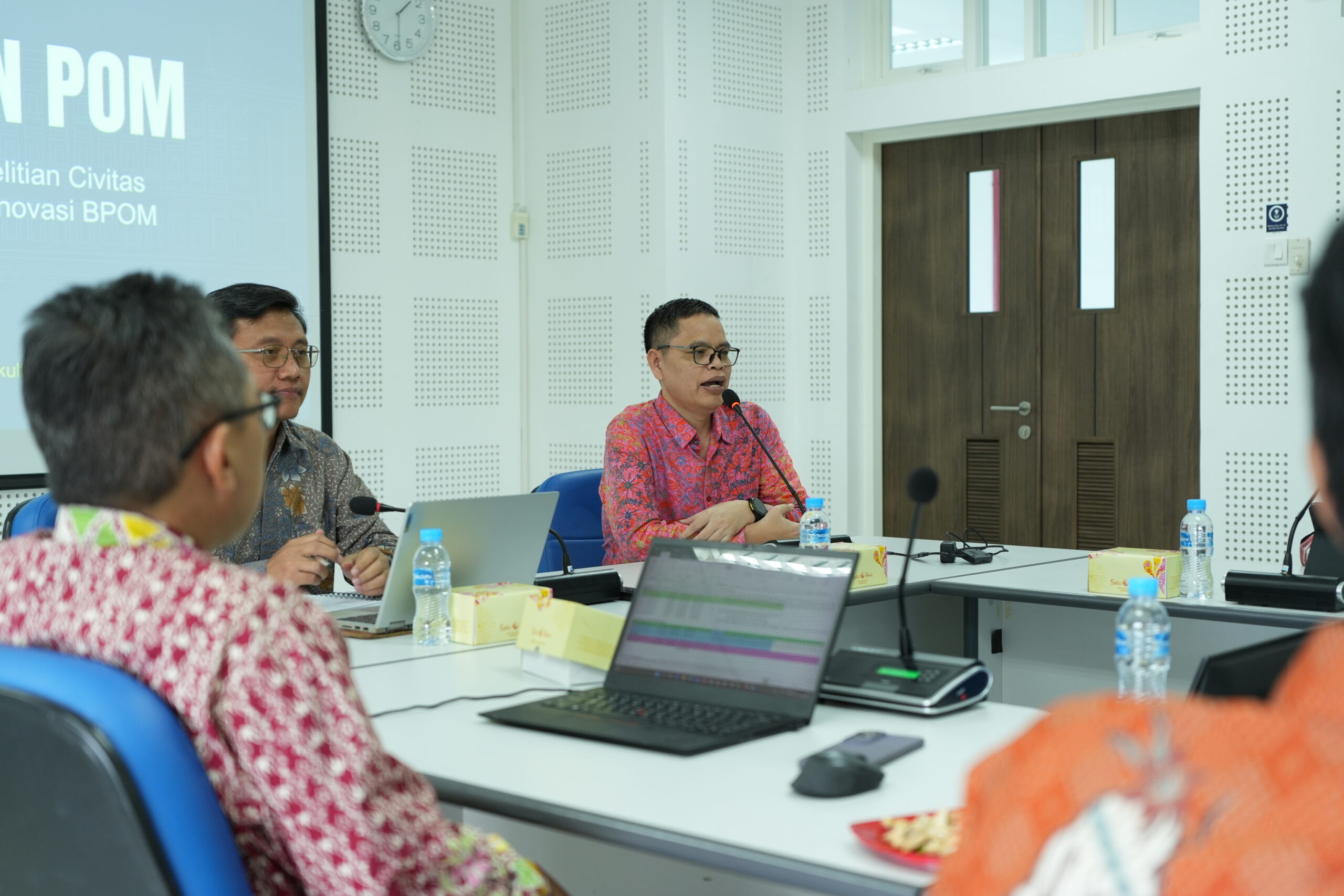
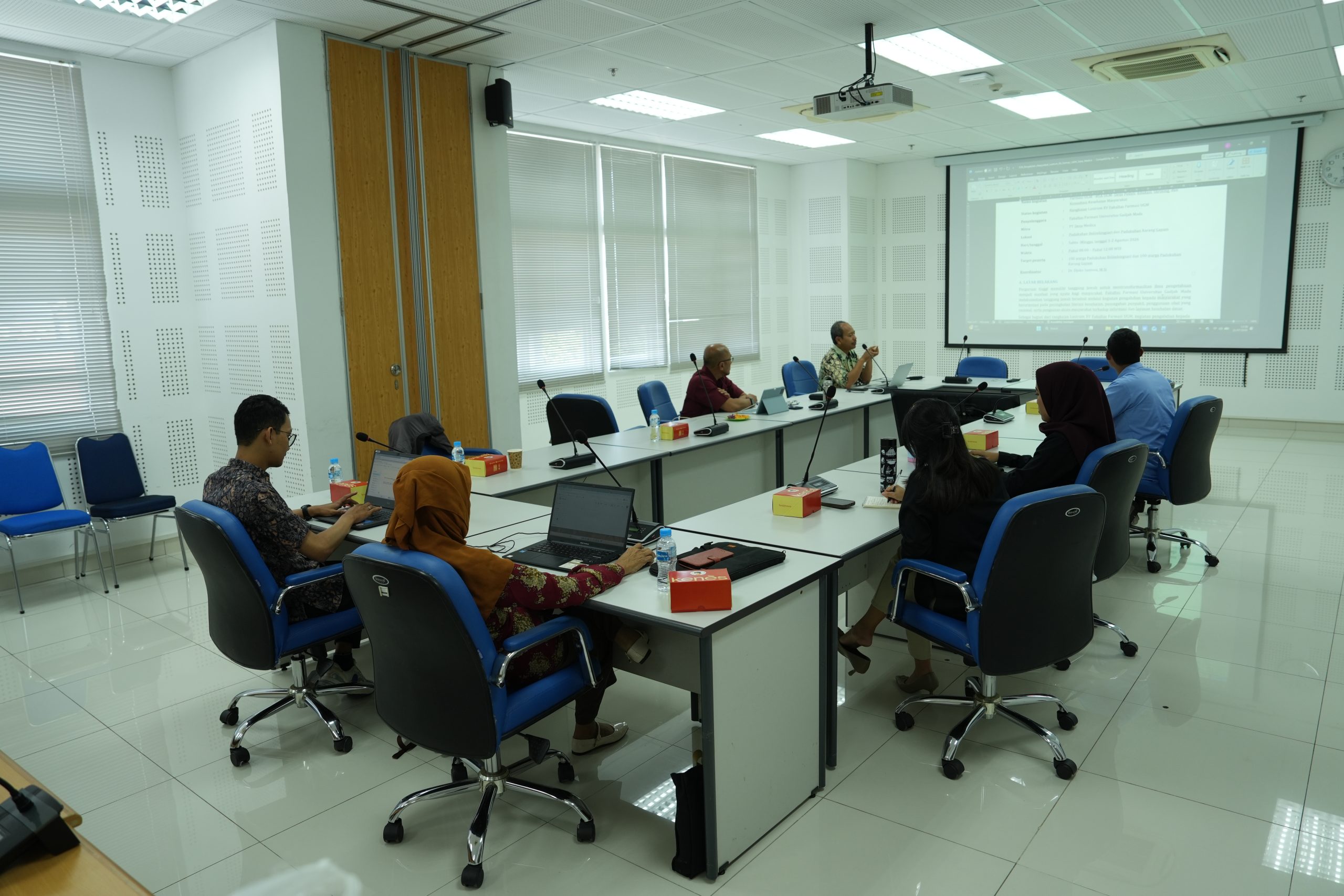
Yogyakarta, April 21, 2026 – The Faculty of Pharmacy at Universitas Gadjah Mada organized a Focus Group Discussion (FGD) on the review of its Vision, Mission, and Goals as part of its ongoing institutional evaluation and development efforts. The activity was conducted in a hybrid format, taking place at the Leadership Meeting Room, 7th Floor of the APSLC Building, as well as via the Zoom Meeting platform.
This review is a routine agenda carried out every five years as a strategic step to ensure that the faculty’s development direction remains relevant to advancements in science, stakeholder needs, and global challenges in the pharmaceutical field. Through this initiative, the Faculty of Pharmacy UGM reaffirms its commitment to continuously updating its vision, mission, and goals to remain adaptive and competitive.
The FGD involved various internal stakeholders, including the Vision, Mission, and Goals Drafting Team, the Faculty Curriculum Committee, representatives of administrative staff, and student representatives. This cross-sector participation aimed to gather comprehensive input on aspects that need to be maintained, strengthened, or refined in shaping the faculty’s future direction.
The discussion was conducted interactively, addressing key strategic issues such as improving the quality of education, ensuring curriculum relevance, enhancing graduate competitiveness, and strengthening the contributions of research and community service. The insights collected during this forum will serve as an important foundation for formulating the next period’s Vision, Mission, and Goals of the Faculty of Pharmacy UGM.
Through this activity, the Faculty of Pharmacy UGM underscores its commitment to fostering an inclusive, participatory, and quality-oriented higher education governance system. This review also aligns with efforts to support the Sustainable Development Goals (SDGs), particularly SDG 4 (Quality Education) and SDG 16 (Peace, Justice and Strong Institutions), by strengthening education systems and institutional governance that are responsive to evolving societal needs.