Yogyakarta, 16 October 2026 – Polycystic Ovary Syndrome (PCOS) is a complex syndrome characterized by hyperandrogenism, ovulatory dysfunction, insulin resistance, and chronic low-grade inflammation. The condition affects approximately 10–13% of women of reproductive age, with up to 70% of cases remaining undiagnosed. PCOS is also closely associated with female infertility. Its multifaceted nature has made PCOS an ongoing area of interest in reproductive and metabolic health research. In 2026, PCOS underwent an international nomenclature change to Polyendocrine Metabolic Ovarian Syndrome (PMOS).
This development further highlights the need to explore approaches that can address the multiple mechanisms involved in the condition. In response to this challenge, the Curcuwin PKM-RE team from Universitas Gadjah Mada is investigating PCOS through a dual-target approach focusing on inflammation and insulin resistance.
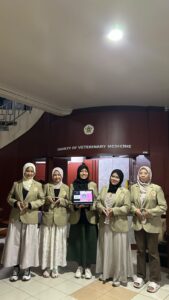
The research is being conducted by an interdisciplinary team of Universitas Gadjah Mada students, comprising Naafi’ Noor Nafiza Novikh from the Faculty of Pharmacy, along with Apriani Nurjanah, Nadhifah Eka Prastuti, and Arline Ermanissa Rezkyanti from the Faculty of Veterinary Medicine. The research is supervised by Dr. drh. Vista Budiariati, M.Si.
Curcumin and cinnamon extract (Cinnamomum burmannii) were selected as the combination investigated in this study. Curcumin, an active compound found in Curcuma longa, is known for its potential anti-inflammatory, immunomodulatory, and antioxidant properties. Meanwhile, cinnamon contains various bioactive compounds, including cinnamaldehyde and polyphenols, which have the potential to contribute to improved insulin sensitivity. The combination of these two natural ingredients was selected because previous studies have predominantly examined their effects individually.
Apriani Nurjanah, leader of the Curcuwin team, e
xplained, “Previous studies on curcumin and cinnamon extract (Cinnamomum burmannii) have predominantly focused on each ingredient individually. The novelty of our research lies in combining the two ingredients through a dual-target approach addressing both inflammation and insulin resistance.”
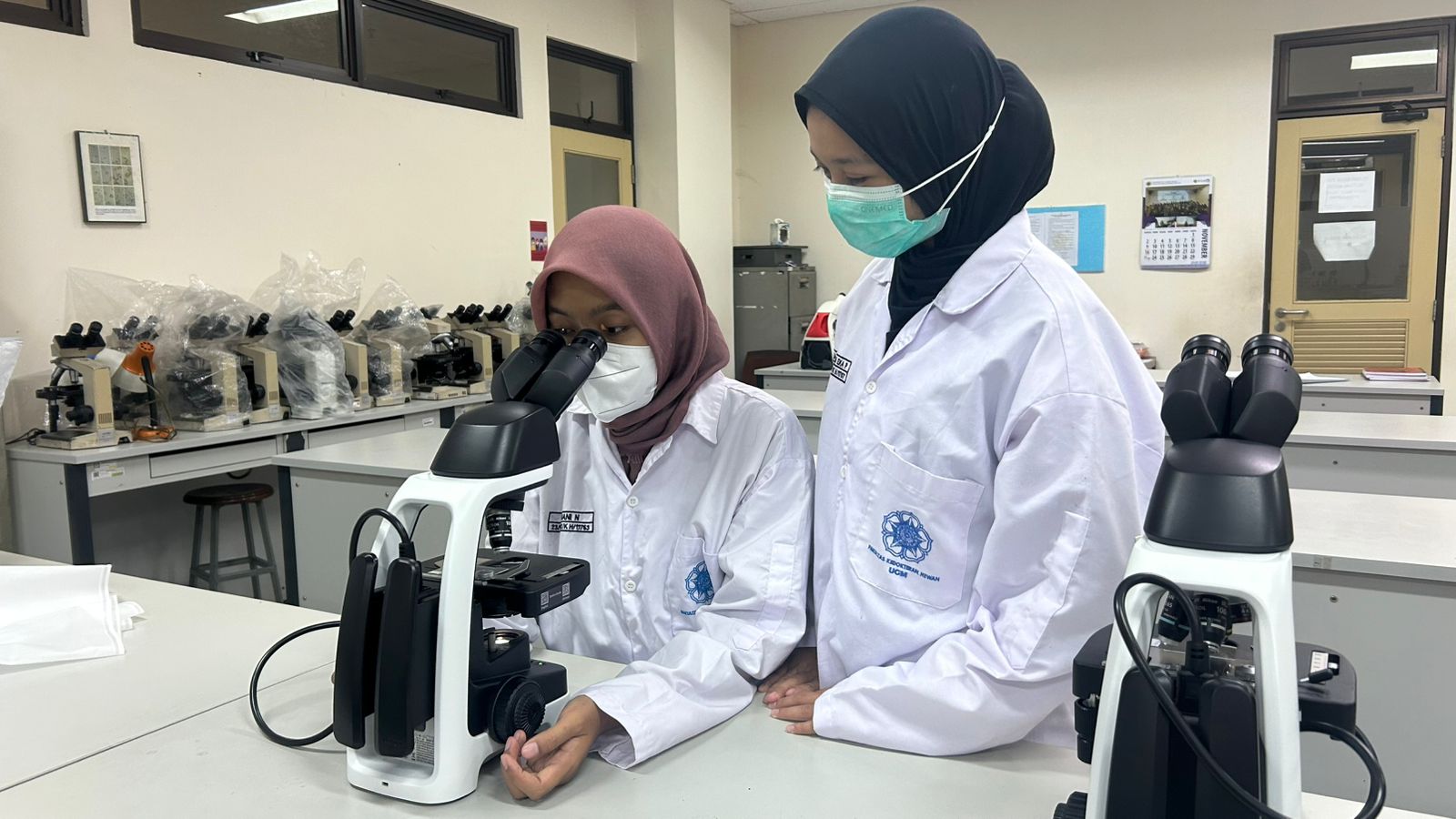
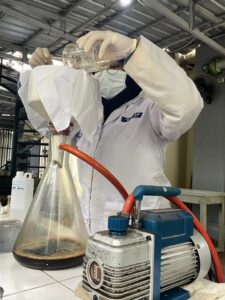
The research was conducted over approximately four months across several laboratory facilities at Universitas Gadjah Mada. The research process began with the collection and botanical identification of cinnamon bark, followed by extraction using the Ultrasonic-Assisted Extraction (UAE) method at the Laboratory of Pharmacognosy- Phytochemistry, Faculty of Pharmacy, UGM. The plant material underwent botanical identification beforehand to confirm the identity of Cinnamomum burmannii.
Naafi’ Noor Nafiza Novikh, a team member from the Faculty of Pharmacy UGM, said, “The cinnamon was botanically identified at the Laboratory of Plant Systematics, Faculty of Biology, UGM. The extraction process was subsequently carried out at the Laboratory of Pharmacognosy-Phytochemistry, Faculty of Pharmacy, UGM.”
The next stage involved establishing a rat model of PCOS through letrozole induction for 21 days. Once the model was established, the study proceeded with an in vivo experiment involving five groups: a healthy control group, a negative control group, a curcumin group, a cinnamon extract group, and a combination of curcumin and cinnamon extract group. The groups were designed to examine the effects of the individual and combined treatments across various parameters associated with PCOS.
Nadhifah Eka Prastuti, a member of the team, explained, “Letrozole induction was administered for 21 days to establish a rat model of PCOS. The rats were then given treatments according to their respective experimental groups.”
The study examined several parameters representing metabolic, reproductive, and inflammatory aspects of PCOS. These included blood glucose levels; insulin expression in pancreatic tissue assessed through immunohistochemistry; estrous cycles evaluated using vaginal smears; ovarian histopathology to examine folliculogenesis; and Tumor Necrosis Factor-α (TNF-α) expression in ovarian tissue through immunohistochemical staining. In addition to the in vivo experiments, the research also incorporated a molecular docking approach to explore the interactions between the compounds and protein targets involved in inflammatory pathways and insulin sensitivity.
Arline Ermanissa Rezkyanti, a member of the team, explained, “The experiments were designed to examine parameters related to metabolism, inflammation, and reproduction in the PCOS model. Through this approach, we can investigate the potential of the curcumin and cinnamon extract combination more comprehensively.”
The research has now been completed. The Curcuwin team is currently preparing the research for presentation at the 39th Pekan Ilmiah Mahasiswa Nasional (PIMNAS), which will be held at Universitas Diponegoro.
Through this research, the Curcuwin team hopes that the study of curcumin and cinnamon extract combinations can serve as a knowledge base for future research into natural-based approaches for PMOS/PCOS. Further studies are expected to explore the optimization of combination doses and treatment duration, as well as investigate the underlying mechanisms of action of the combined ingredients in greater depth.
The research conducted by the Curcuwin PKM-RE team also contributes to several Sustainable Development Goals (SDGs). The exploration of natural-based candidates for metabolic and reproductive disorders supports SDG 3, Good Health and Well-Being by contributing to the development of knowledge relevant to health. Research and development of natural ingredient combinations through experimental approaches also align with SDG 9, Industry, Innovation and Infrastructure, particularly by promoting research- and technology- driven innovation. In addition, the use of cinnamon as a source of research material contributes to SDG 15, Life on Land by advancing knowledge of the potential of terrestrial biological resources through responsible scientific exploration.
Authors: Apriani Nurjanah, Naafi’ Noor Nafiza Novikh