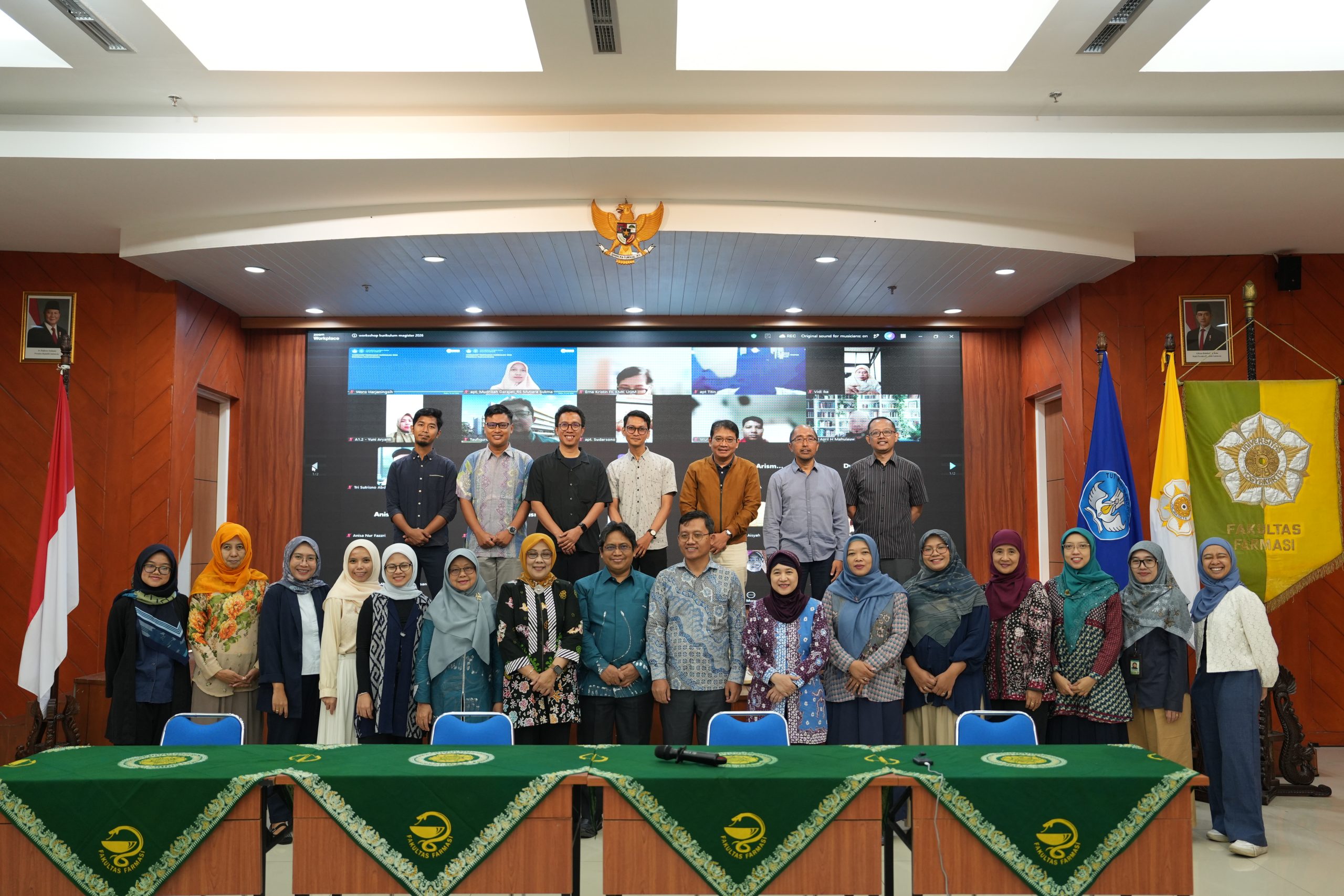
Yogyakarta, July 15, 2026 – The Faculty of Pharmacy, Universitas Gadjah Mada (UGM), held the 2026 Postgraduate Curriculum Review Workshop on Wednesday, July 15, 2026, at the 8th-floor Auditorium of the APSLC Building. The workshop was organized as part of the faculty’s ongoing efforts to evaluate and enhance its postgraduate curricula to ensure alignment with advancements in science, workforce demands, and national higher education policies.
The workshop was officially opened by the Dean of the Faculty of Pharmacy UGM, Prof. Dr. apt. Satibi, M.Si. In his opening remarks, he emphasized that curriculum review is a strategic and continuous process that requires collaboration among various stakeholders. He highlighted the importance of developing a curriculum that is responsive to scientific and technological developments while equipping graduates with competencies that meet the evolving needs of society, the pharmacy profession, and industry.
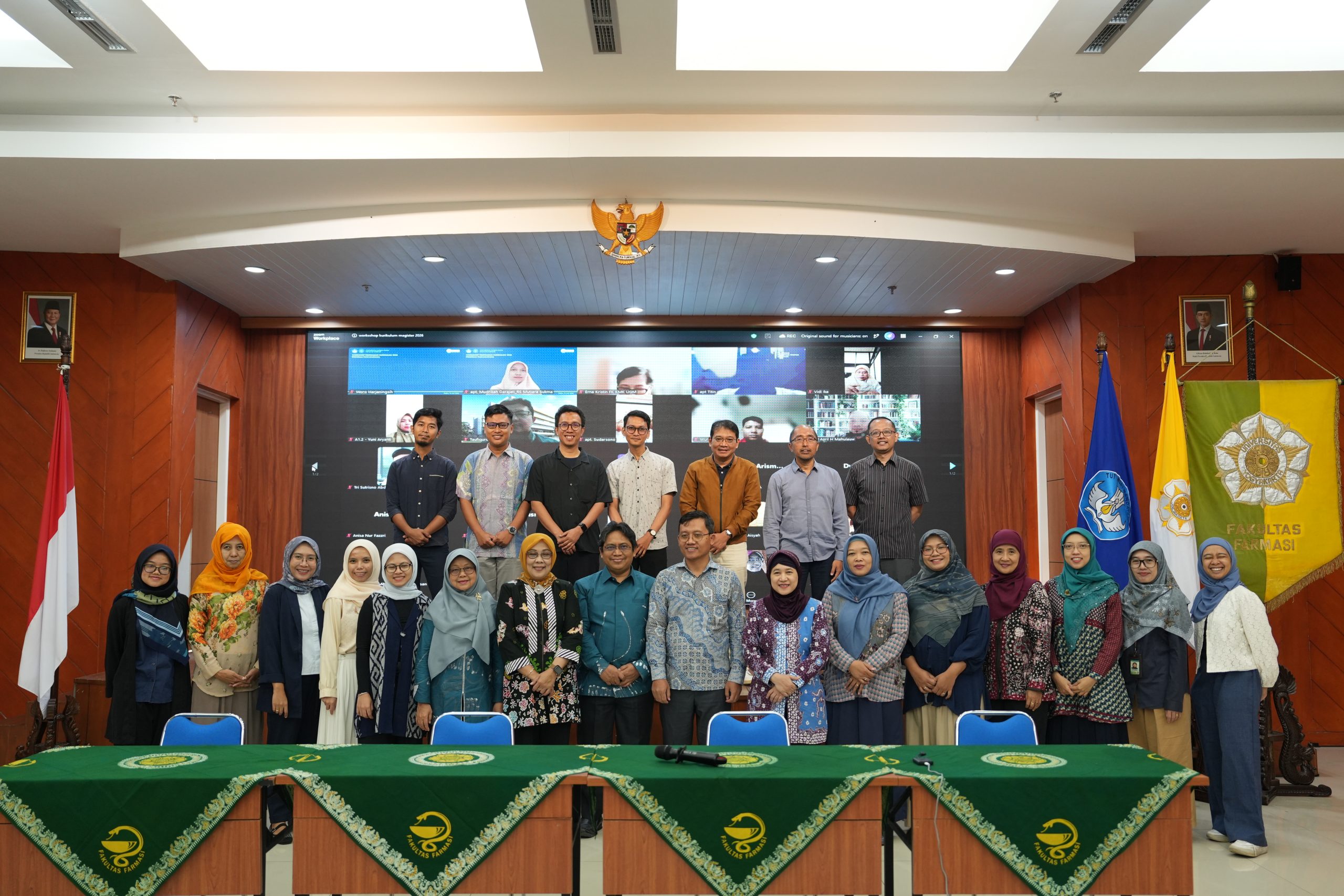
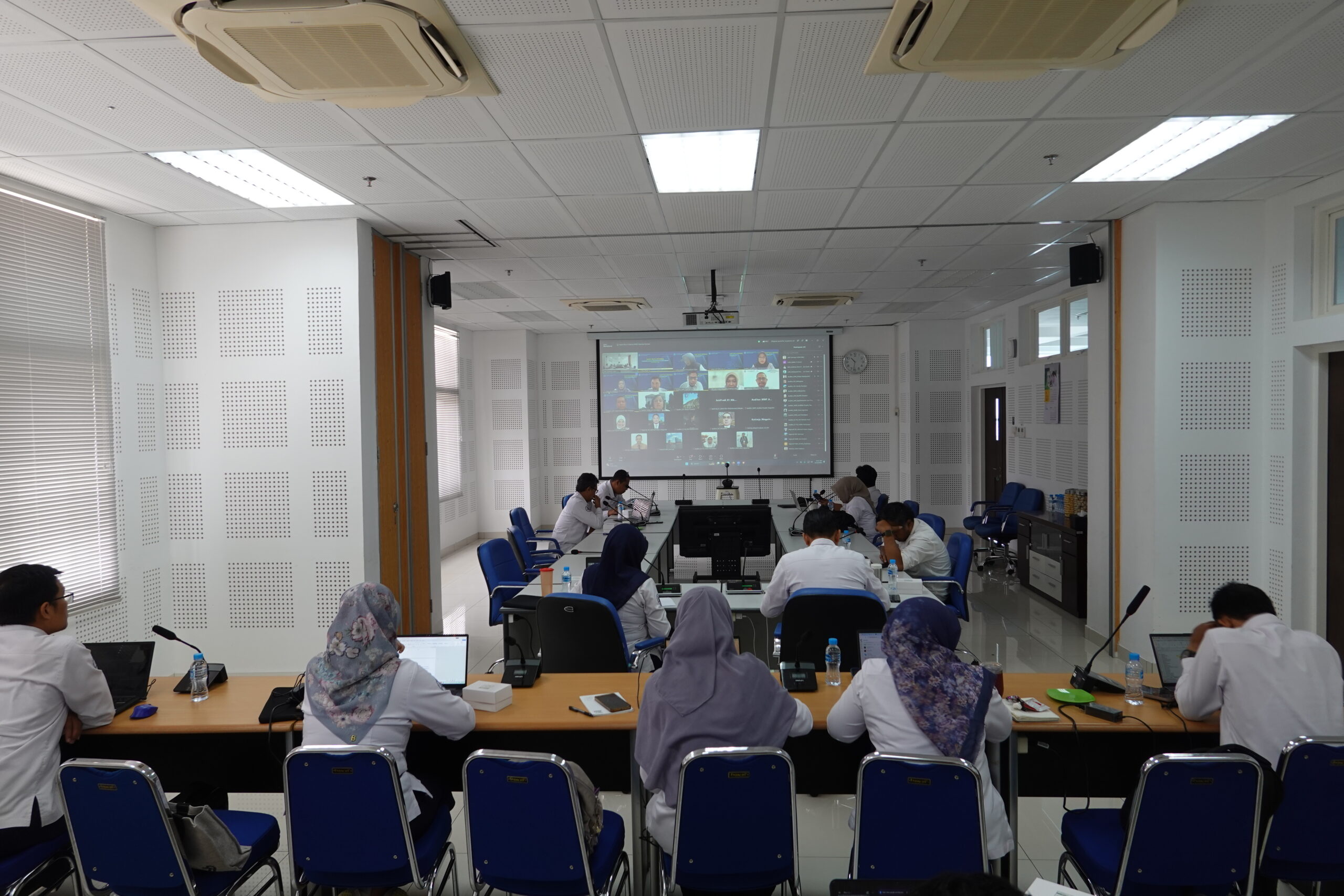
The hybrid event brought together faculty leaders, academic staff, alumni, students, graduate employers, and institutional partners to provide constructive feedback and recommendations for the refinement of the 2026 curricula of the Master of Pharmaceutical Sciences, Master of Pharmacy Management, and Master of Clinical Pharmacy programs. Discussions focused on key aspects of curriculum development, including graduate learning outcomes, course structure, and the relevance of competencies to current professional and industry expectations.
Through this workshop, the Faculty of Pharmacy UGM reaffirmed its commitment to delivering adaptive, innovative, and high-quality postgraduate education. The outcomes of the curriculum review are expected to serve as a foundation for producing graduates who are academically excellent, professionally competitive, and capable of contributing to the advancement of pharmaceutical sciences, healthcare services, and the pharmaceutical industry at both the national and global levels.
This initiative also contributes to the achievement of the Sustainable Development Goals (SDGs), particularly SDG 4 (Quality Education) by enhancing the quality of higher education, SDG 8 (Decent Work and Economic Growth) by preparing graduates with competencies aligned with labor market needs, and SDG 17 (Partnerships for the Goals) through collaboration among academia, alumni, employers, and external partners in curriculum development.