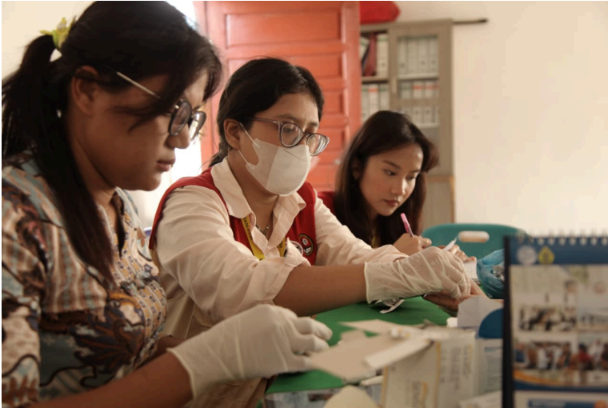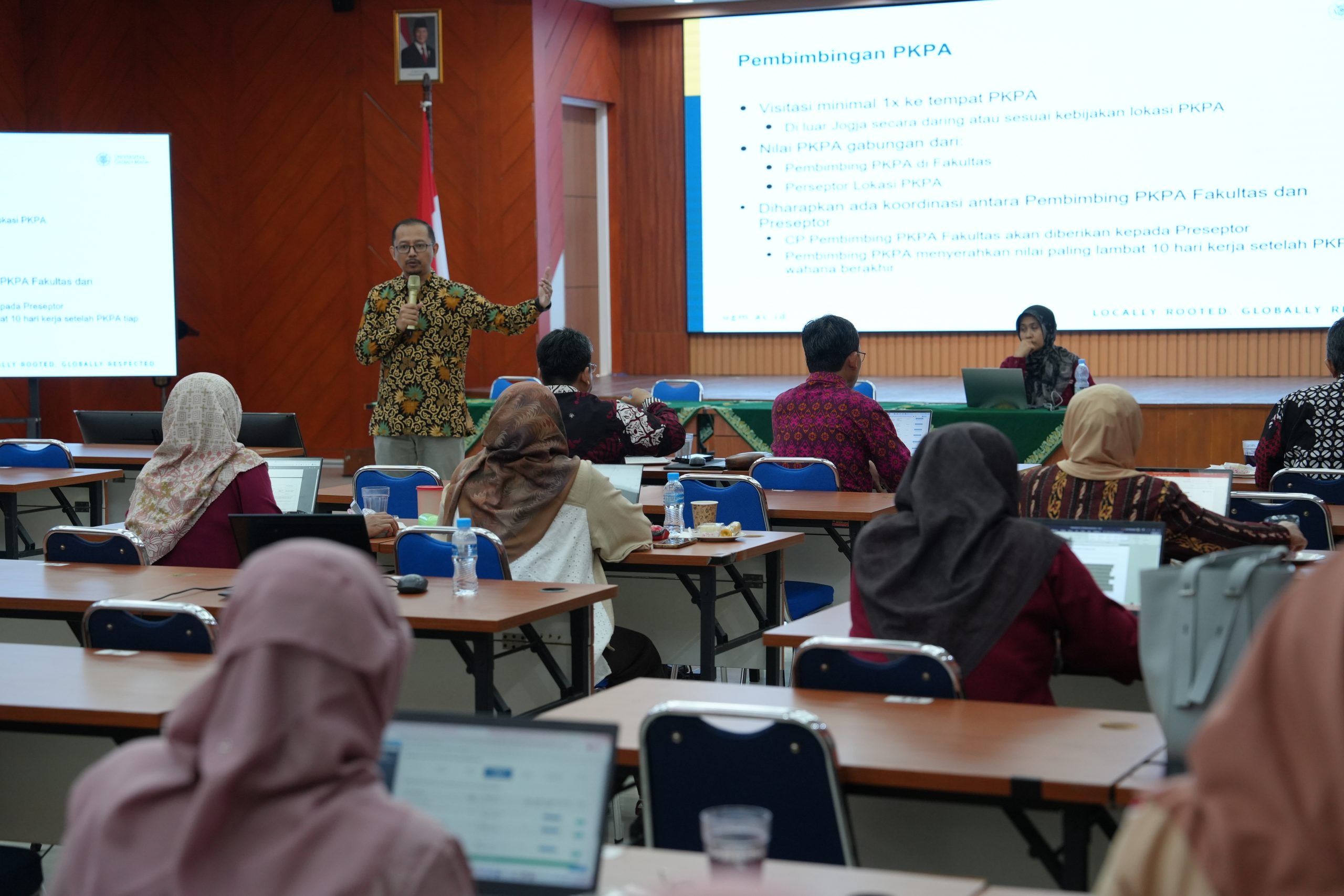
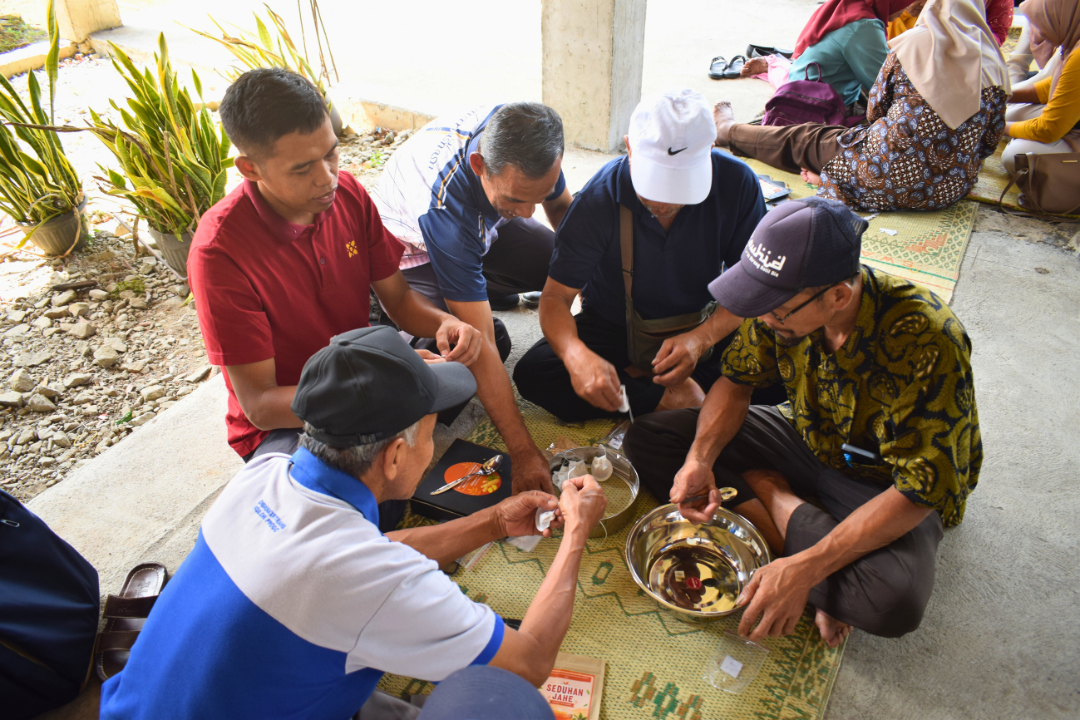
Kulon Progo, June 5, 2026 — The Faculty of Pharmacy Universitas Gadjah Mada (UGM), through the Community Development Program Based on Applied Research and Community Empowerment with International Collaborators for Fiscal Year 2026, organized a Ginger Processing Training on Friday (June 5) at the Hargotirto Village Hall, Kokap District, Kulon Progo Regency.
This activity serves as a follow-up to previous community empowerment programs and this year focuses on the implementation of appropriate technology, ginger processed-product production, and program evaluation. The program is led by Prof. apt. Agung Endro Nugroho, M.Si., a lecturer specializing in Pharmacology and Toxicology at the Faculty of Pharmacy UGM.
The community service program aims to empower women’s groups, particularly the “Srikandi Desa” group in Hargotirto Village, through the development of pharmaceutical products based on traditional herbal ingredients (empon-empon) using an applied research approach. Ginger was selected as the primary commodity due to its significant health and economic potential, although post-harvest management and quality standardization based on active compounds still require improvement.
Through this program, participants received training on post-harvest ginger processing, simple herbal product manufacturing, and the application of household-scale appropriate technology. The program also integrates ginger quality standardization based on 6-shogaol content as a scientific parameter to support the production of safe, high-quality, and value-added herbal products.
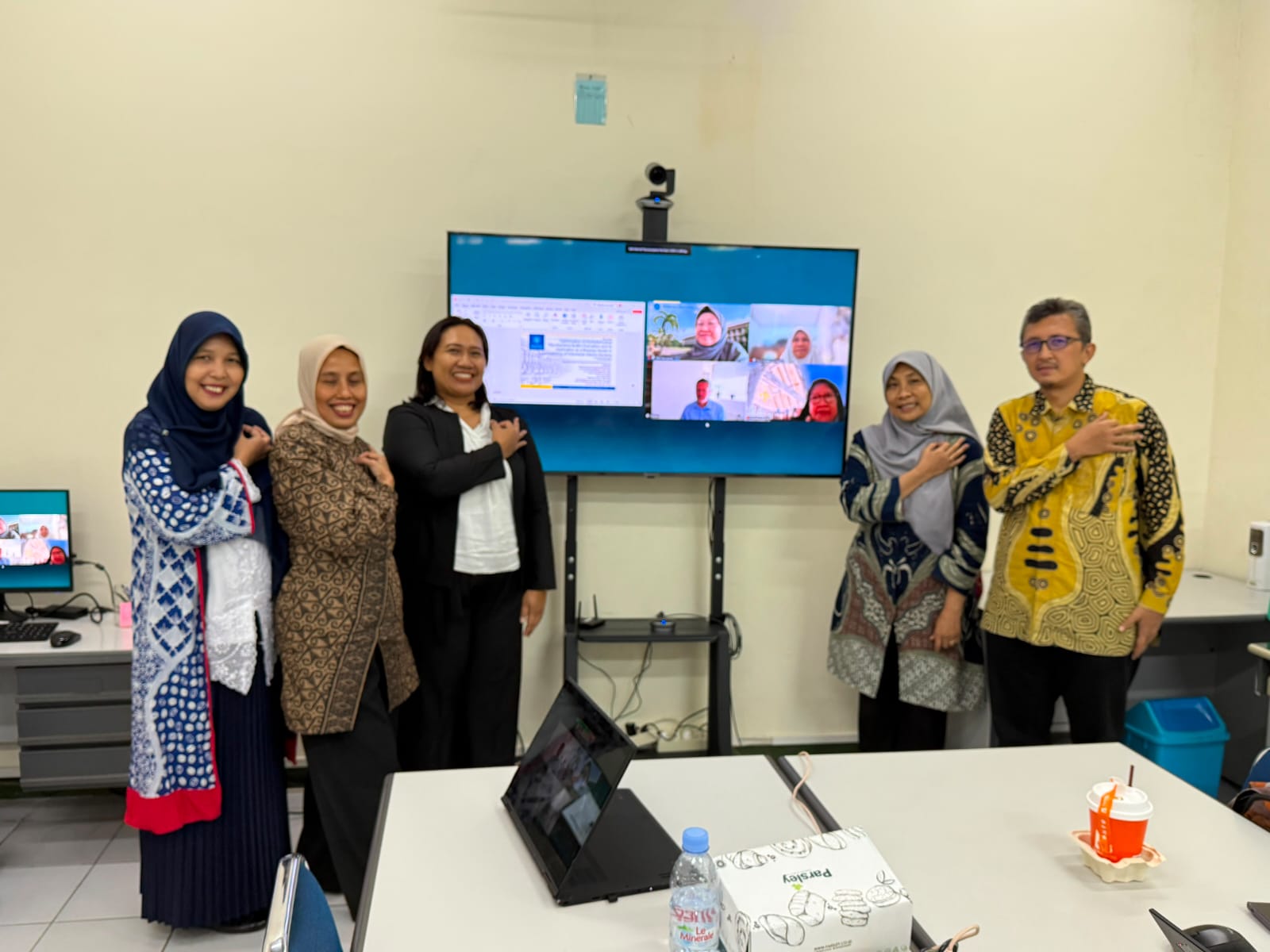
The implementation methods include socialization sessions, focus group discussions (FGDs), workshops, hands-on practice, the establishment of women’s working groups as production units, as well as continuous mentoring and evaluation. The program is further strengthened through international collaboration with Curtin University Malaysia to support knowledge transfer and program sustainability.
The program targets the development of ginger quality guidelines, capacity building for at least 20 female participants, and the production of high-quality processed ginger products with greater economic value. Through this initiative, local communities are expected to independently and sustainably develop local herbal products.
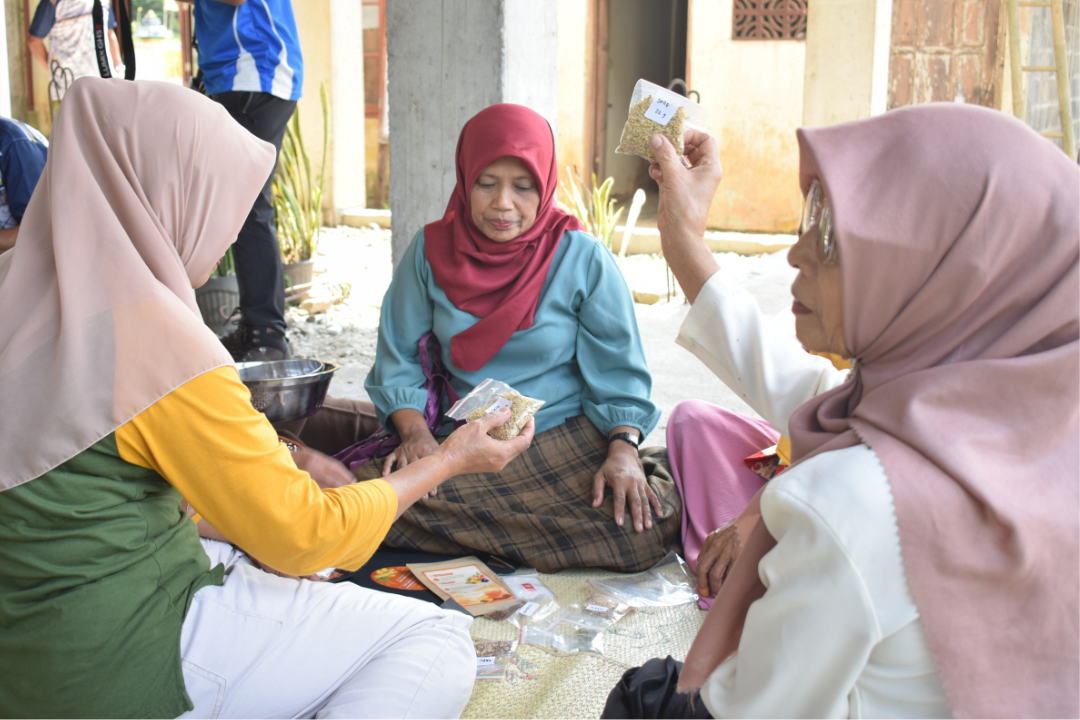
This community service initiative also contributes to the achievement of several Sustainable Development Goals (SDGs), including SDG 3 (Good Health and Well-Being), SDG 5 (Gender Equality), SDG 8 (Decent Work and Economic Growth), SDG 12 (Responsible Consumption and Production), and SDG 17 (Partnerships for the Goals).
Through collaboration between academia, local communities, and international partners, the Faculty of Pharmacy UGM hopes this program can become a model for research-based community empowerment that enhances public health, welfare, and economic independence in rural communities.
Writer: Rizqi Vazrin | Editor: Fathul | Photo: Gilang