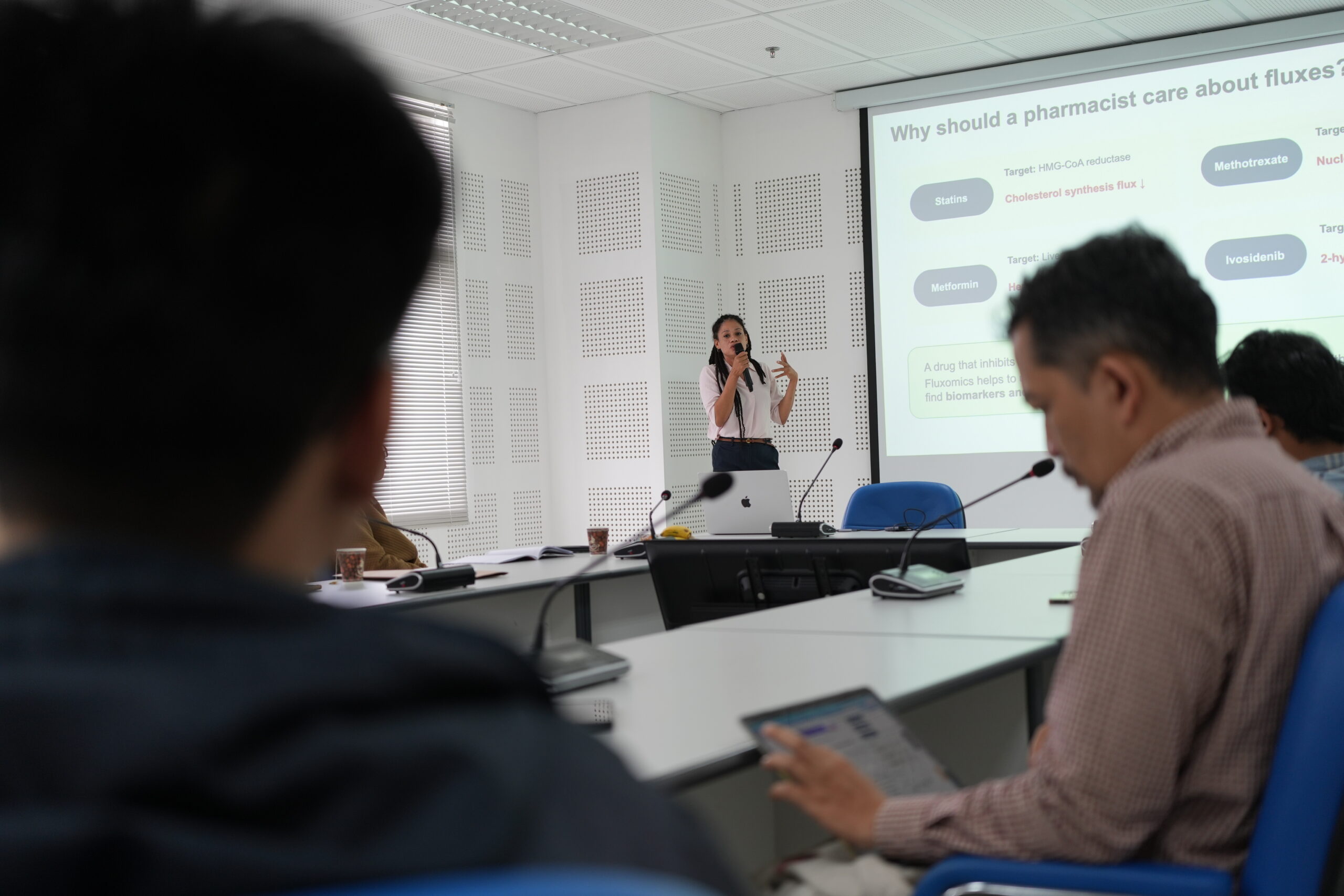
Yogyakarta, October 29, 2026 – The Faculty of Pharmacy, Universitas Gadjah Mada (UGM), held a guest lecture featuring Prof. Illa Tea, a professor of analytical chemistry specializing in stable isotope research, on Thursday (October 29). The event took place from 1:00 to 2:30 p.m. Western Indonesian Time (WIB) in the RSV Room, 7th Floor, APSLC Building, Faculty of Pharmacy UGM. The lecture was part of the PHC Nusantara program, which supports the strengthening of academic and research collaborations between Indonesia and France.
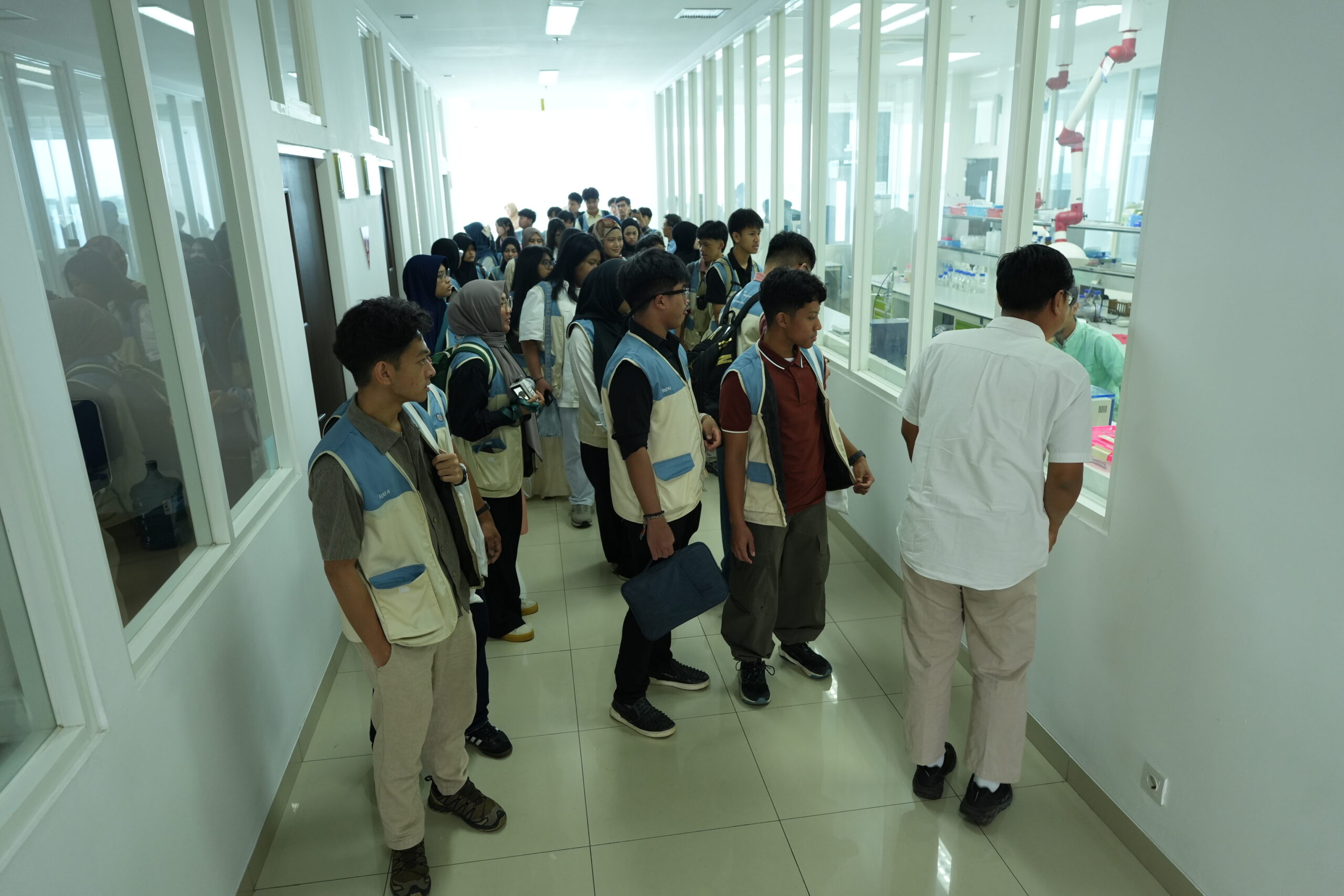
The event was moderated by Dr. apt. Agustina Ari Murti Budi Hastuti, S.Farm., M.Sc., a member of the PHC Nusantara research team. Participants had the opportunity to expand their knowledge of stable isotope research and engage in direct discussions with an academic expert in the field. Their enthusiasm was evident as the lecture room filled to capacity.
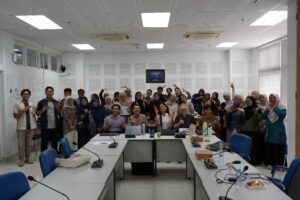
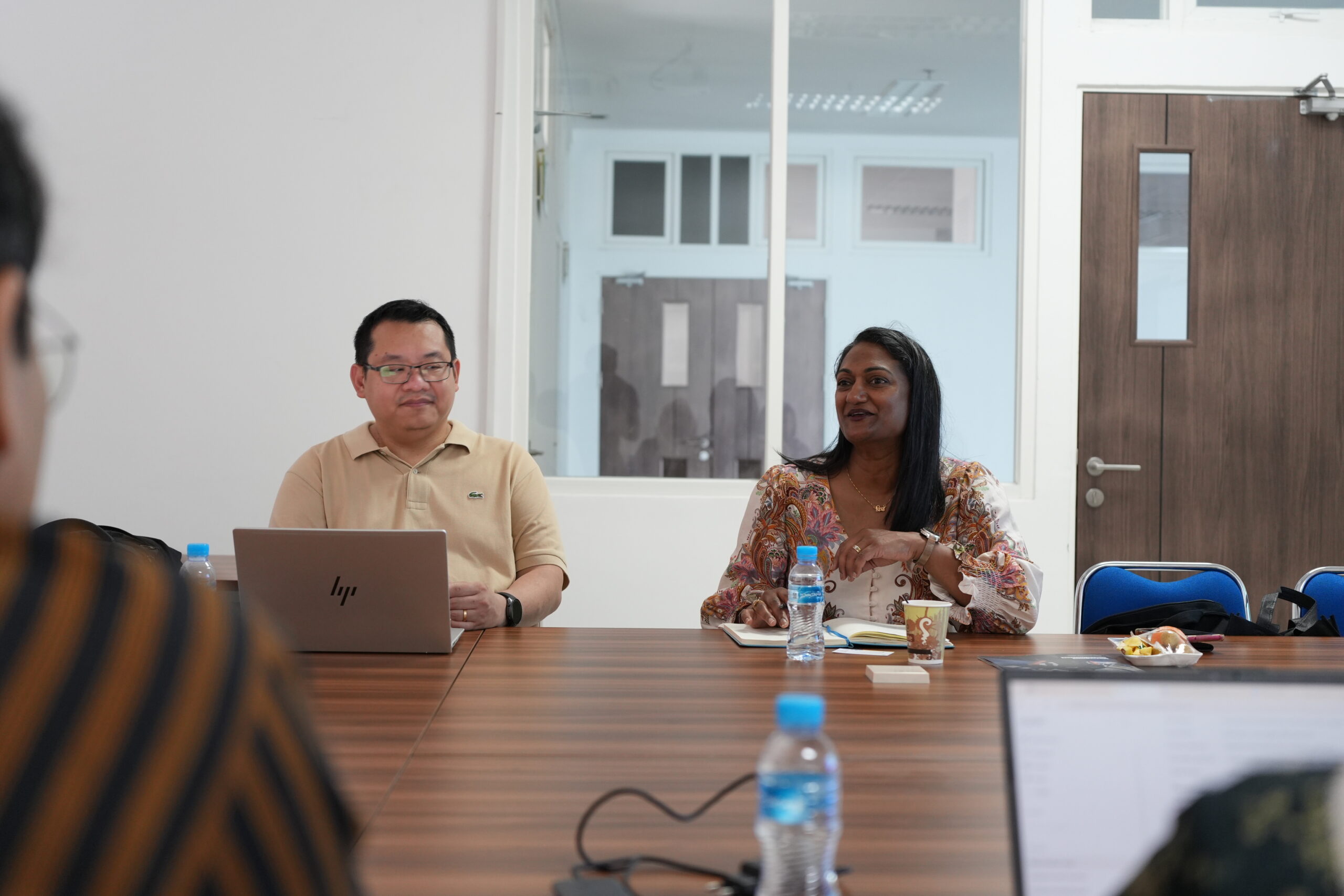
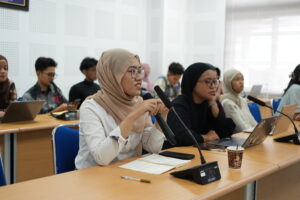
The discussion session was highly interactive, with participants raising questions on various aspects of the research. One of the topics explored was the challenges involved in conducting stable isotope research. The active participation demonstrated the attendees’ interest in understanding the applications of this method and the challenges researchers encounter in the scientific process.
Prof. Illa Tea is affiliated with ISA Lyon, a research institution associated with the French National Centre for Scientific Research (CNRS), Claude Bernard University Lyon 1, and École normale supérieure de Lyon (ENS de Lyon). Her visit to the Faculty of Pharmacy UGM provided an opportunity to broaden academic perspectives while strengthening the exchange of knowledge and research experience between UGM’s academic community and researchers from France.
The event also contributed to the Sustainable Development Goals (SDGs), particularly SDG 16 (Peace, Justice and Strong Institutions) through the strengthening of institutional networks and collaboration, SDG 8 (Decent Work and Economic Growth) through the development of human resource capacities that support scientific advancement, and SDG 10 (Reduced Inequalities) through broader opportunities for cross-border academic knowledge exchange.