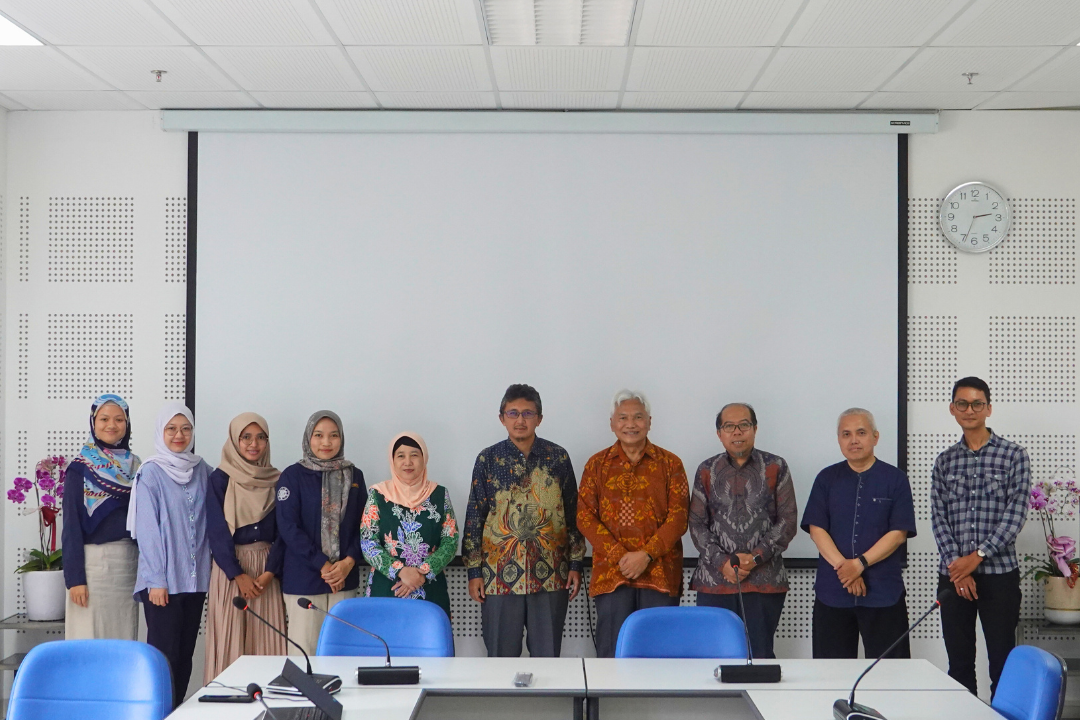
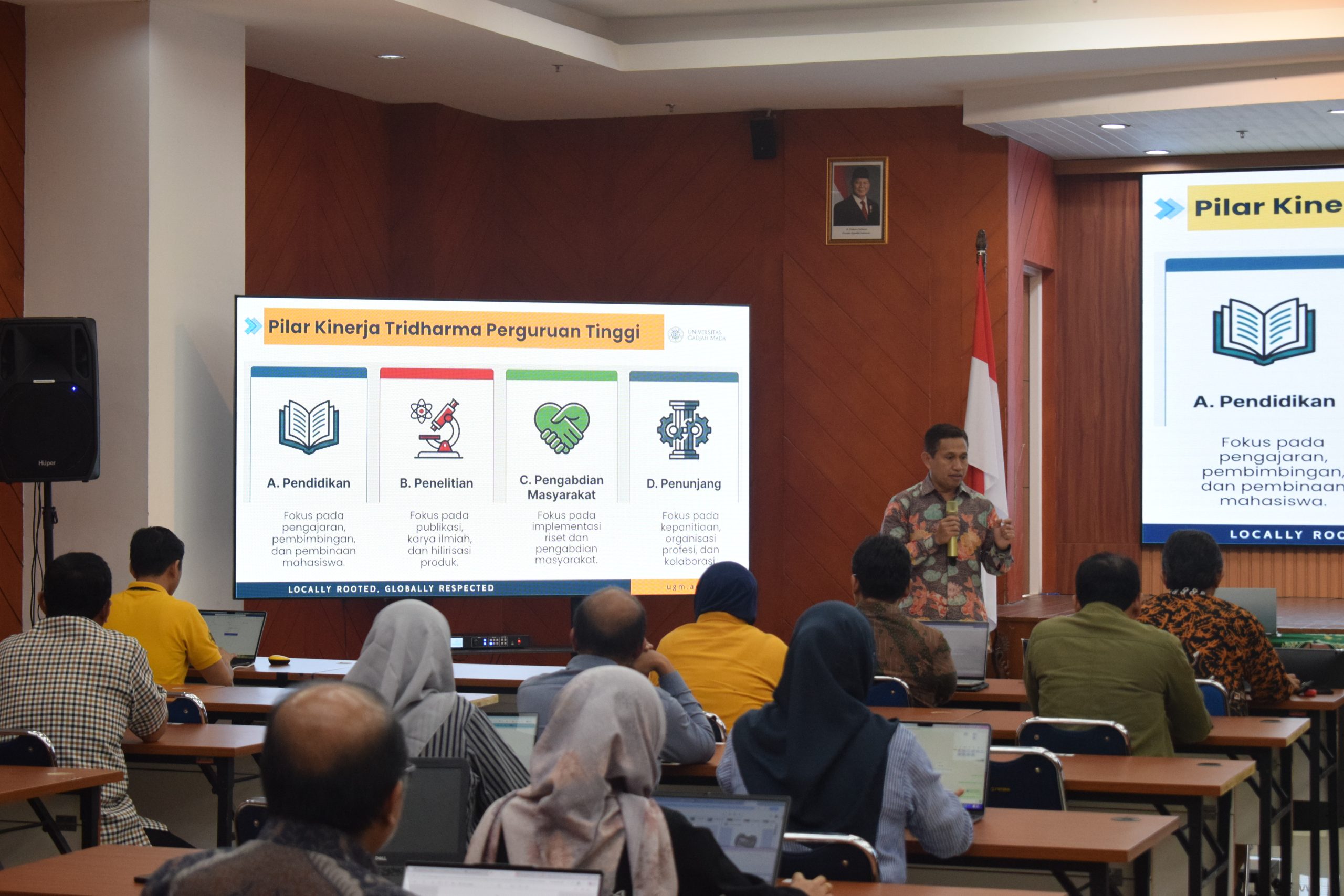
Yogyakarta, September 24, 2024 – As part of its ongoing strategy to strengthen global research collaboration in advanced technology-based drug discovery and development, the Faculty of Pharmacy, Universitas Gadjah Mada (UGM) hosted a public lecture and research discussion with Prof. Dr. Hiroyuki Nakamura from the Institute of Science Tokyo, Japan, on Wednesday, September 24, 2024, at the UGM Faculty of Pharmacy.
During his visit, Prof. Nakamura delivered a guest lecture titled “Translational Research in Boron Neutron Capture Therapy: From Bench to Clinical Application.” The lecture highlighted the latest advancements in Boron Neutron Capture Therapy (BNCT), a cutting-edge cancer treatment approach that utilizes specific nuclear interactions between boron and neutrons to selectively target cancer cells while sparing surrounding healthy tissues.
As one of the leading researchers in BNCT development, Prof. Nakamura shared insights from his research journey from laboratory experiments to clinical implementation, and discussed the immense potential of BNCT as a next-generation cancer therapy platform. In addition, Prof. Nakamura engaged in research discussions with UGM Faculty of Pharmacy researchers to explore potential scientific collaborations, particularly in the areas of boron-based drug development and nuclear technology applications for cancer therapy.
Through this academic forum, the Faculty of Pharmacy UGM reaffirmed its commitment to becoming a center of excellence in innovative drug research and clinical translation in Southeast Asia. The event also served as a platform to foster international scientific collaboration that contributes to the development of molecular and precision-based cancer therapies.
Beyond enhancing research capacity, this initiative supports the achievement of the Sustainable Development Goals (SDGs), particularly SDG 3 (Good Health and Well-being) through the development of innovative cancer therapies to improve patient outcomes, SDG 4 (Quality Education) through knowledge transfer from international experts to the academic community, and SDG 17 (Partnerships for the Goals) through strengthening global collaborations in pharmaceutical education and research.