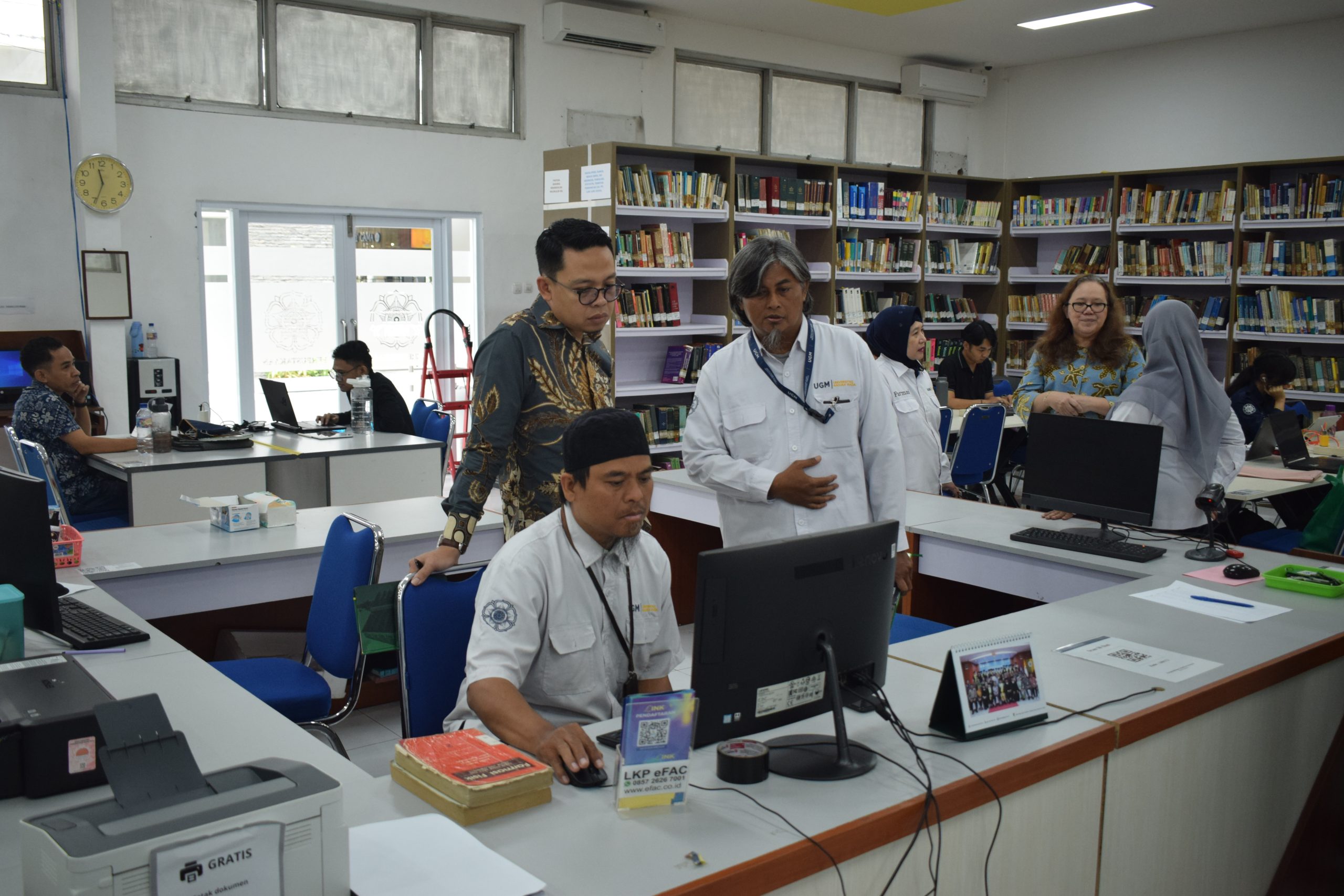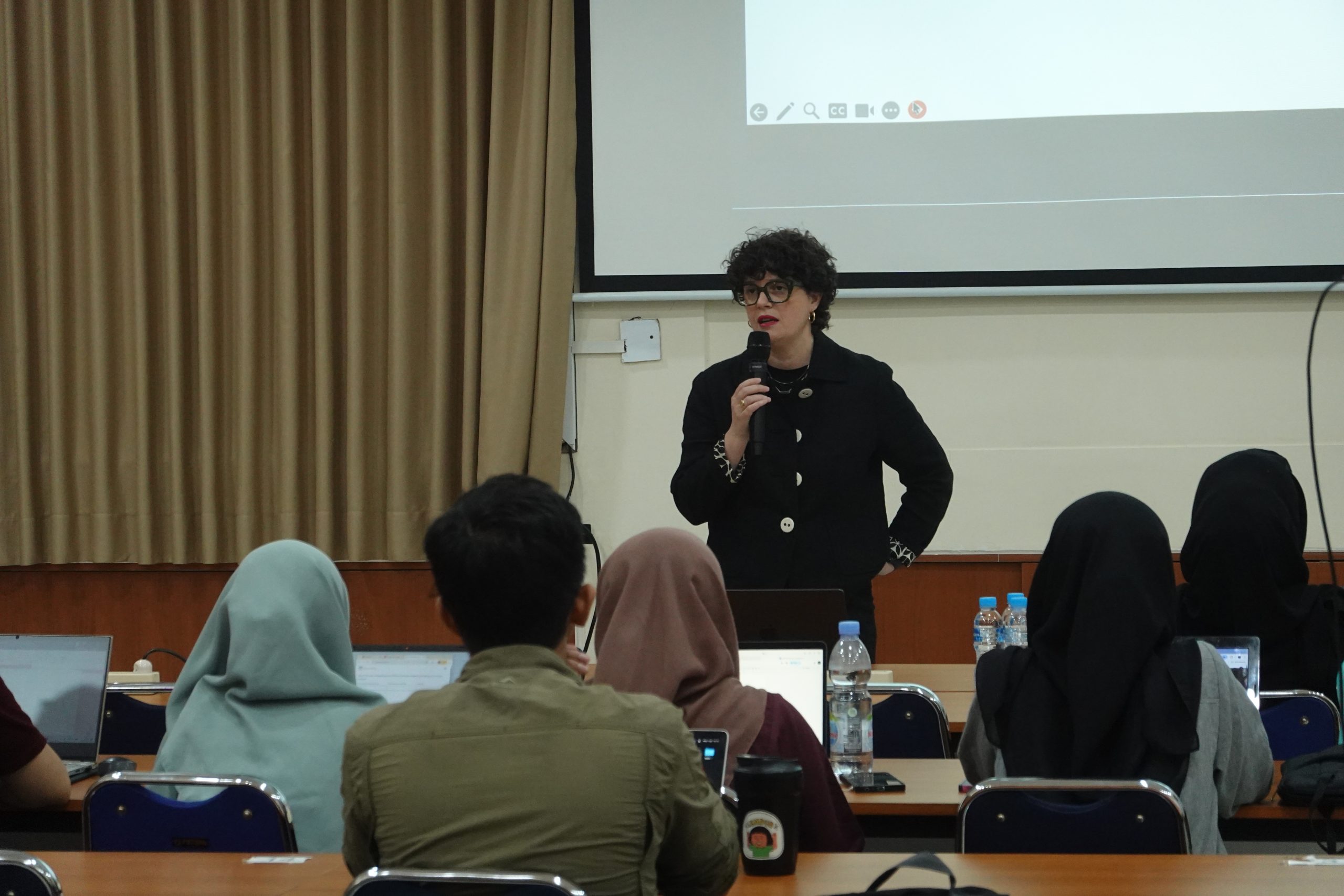
Yogyakarta, April 1, 2026 – The Faculty of Pharmacy Universitas Gadjah Mada organized a Guest Lecture featuring a professor in health economics from Monash University, Prof. Zanfina Ademi. The event was held at Unit 9 Building, 3rd Floor, Meeting Room 304, Faculty of Pharmacy UGM.
The guest lecture addressed key topics in Productivity as a Health Outcome, particularly demographic and epidemiological pressures on health systems, preventable chronic diseases, and the importance of productivity as an often underutilized indicator in measuring the impact of disease.
In her presentation, Prof. Zanfina Ademi explained that health economists have traditionally relied on the Quality-Adjusted Life Years (QALYs) approach to assess the value of health. However, she emphasized that another critical aspect is often overlooked, productivity loss due to illness, which has significant implications for both individuals and society.
She further introduced the concept of Productivity-Adjusted Life Years (PALYs) as a more comprehensive approach to measuring health impact. This framework captures not only the quality of life but also productivity contributions, including both work and other meaningful activities.
This activity also aligns with the achievement of the Sustainable Development Goals (SDGs), particularly Goal 3 (Good Health and Well-being), Goal 8 (Decent Work and Economic Growth), and Goal 17 (Partnerships for the Goals). By strengthening the understanding of the link between health and productivity, the lecture highlights the importance of health policies that focus not only on treatment but also on prevention and the sustainable improvement of quality of life, while fostering international collaboration among academic institutions.
This event is part of the Faculty of Pharmacy UGM’s ongoing efforts to broaden academic perspectives and strengthen international networks, particularly in the field of health economics and global health policy. The discussion also underscored the importance of investing in disease prevention as a strategy to reduce future pressures on health systems, with examples drawn from both Australia and Indonesia.