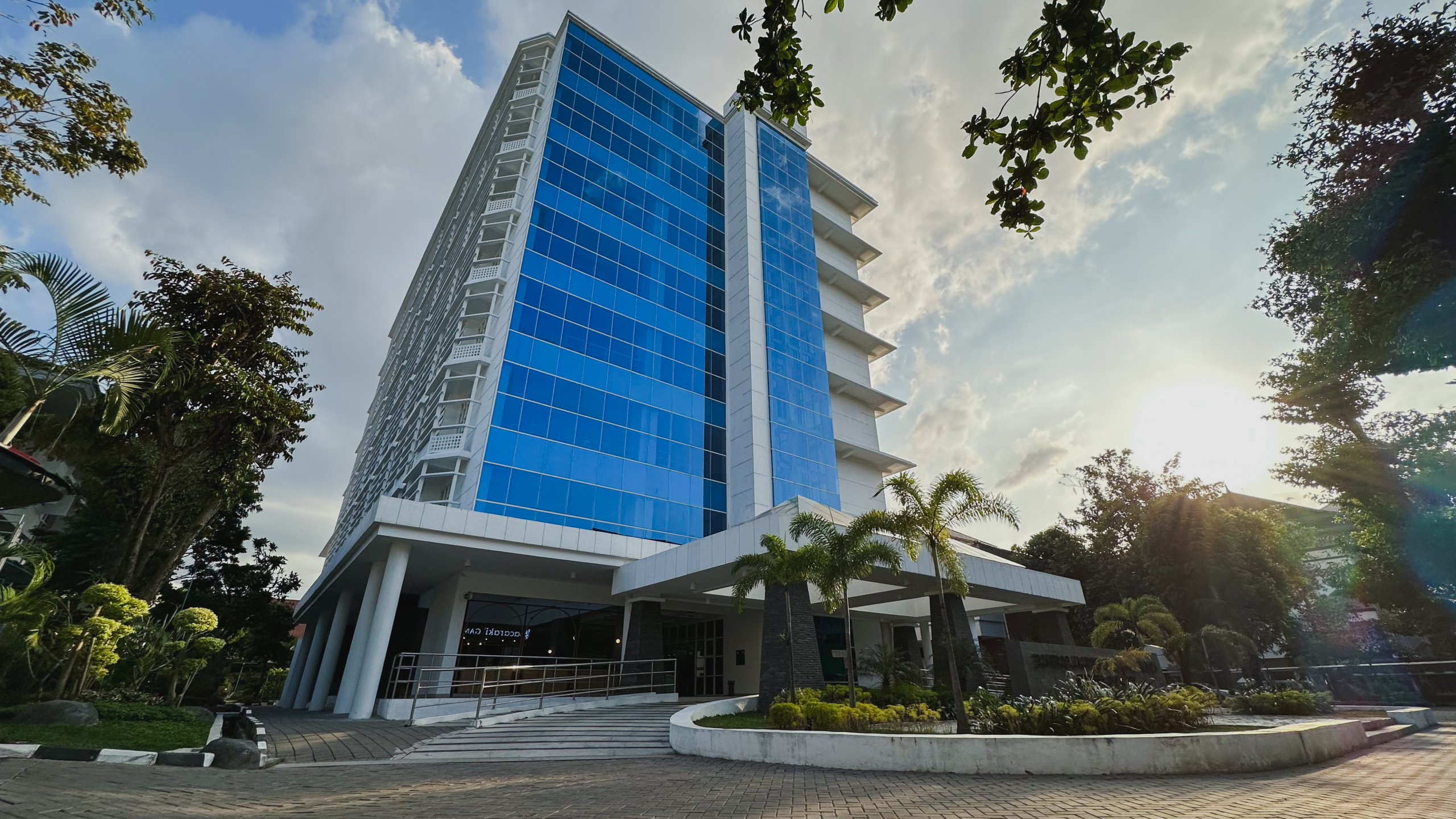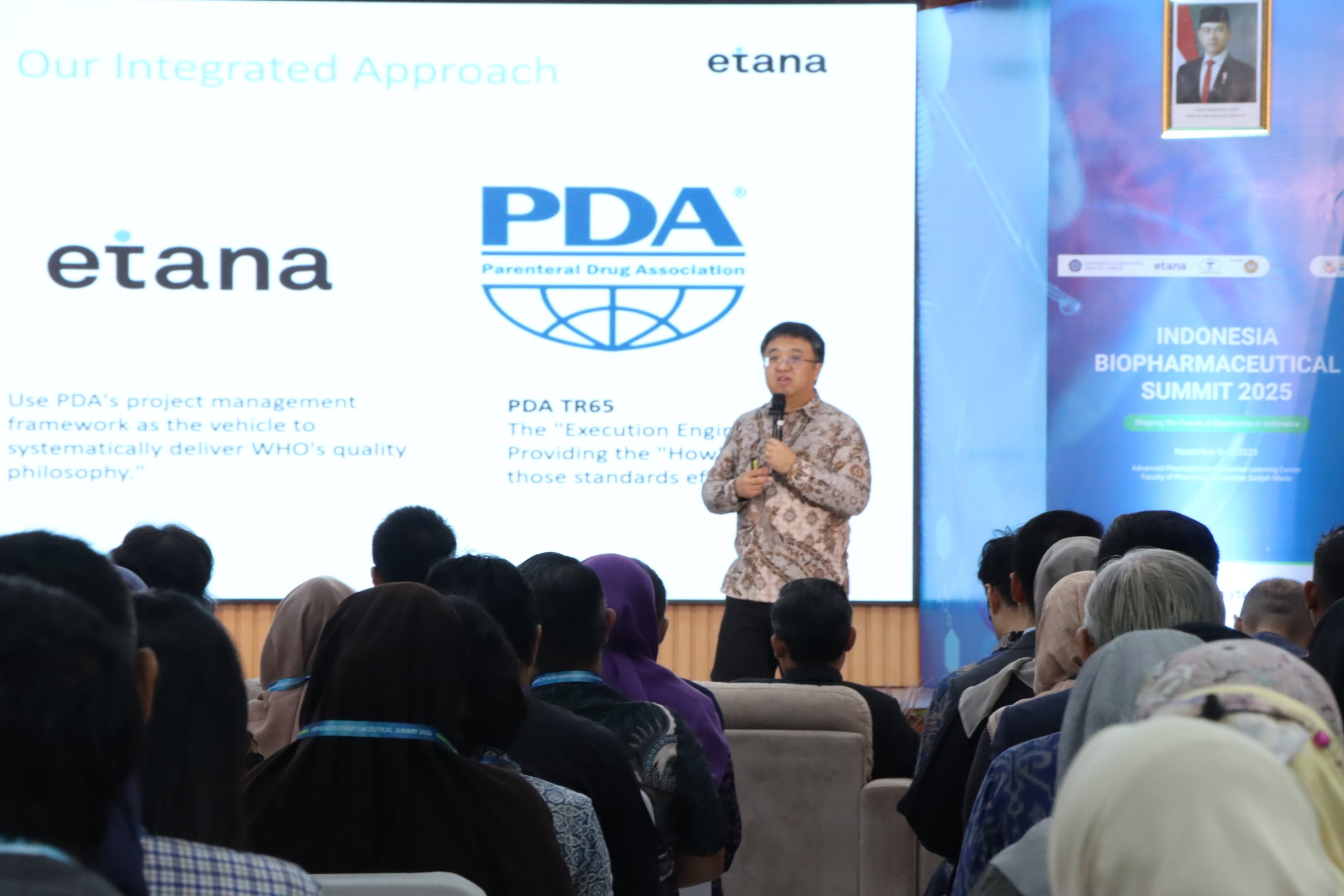
Yogyakarta, November 7, 2025 — The Faculty of Pharmacy, Universitas Gadjah Mada (UGM), in collaboration with PT Etana Biotechnologies Indonesia, the Indonesian Pharmaceutical Association (GPFI), and co-host Faculty of Pharmacy, Sanata Dharma University, successfully organized the Indonesia Biopharmaceutical Summit (IBS) 2025. The international hybrid summit, held at the Auditorium, 8th Floor, APSLC Building, Faculty of Pharmacy UGM, carried the theme “Accelerating Indonesia’s Transition Toward a Resilient and Sustainable Biopharmaceutical Ecosystem.”
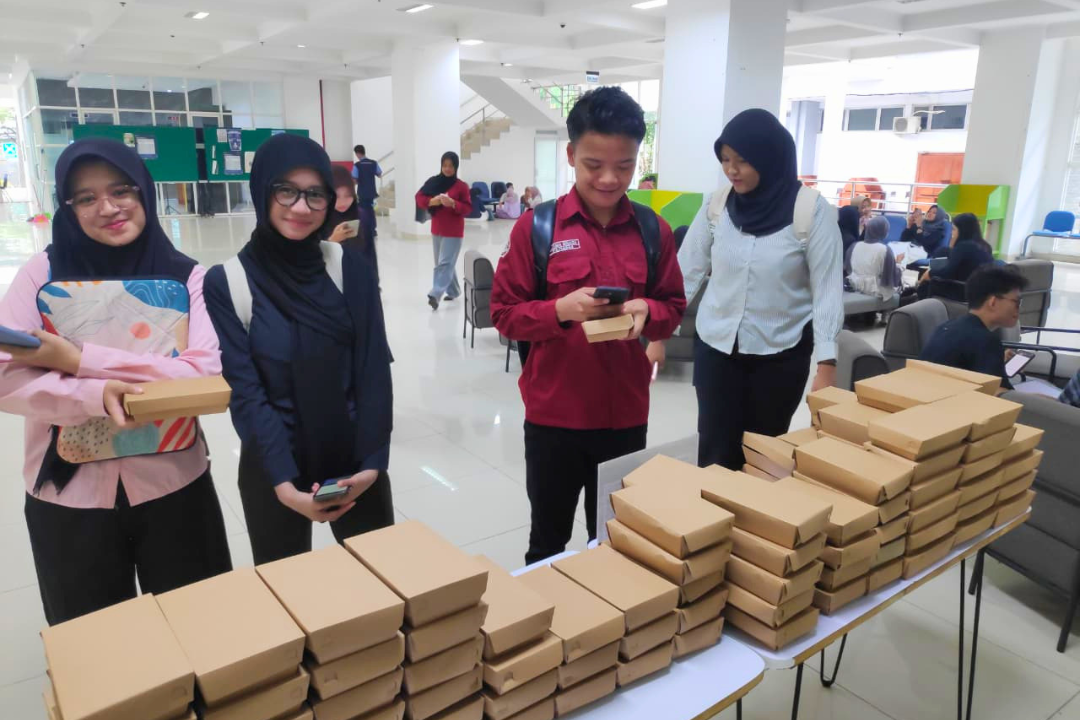
Held over two days, November 6–7, 2025, the summit brought together 18 national and international speakers from leading institutions such as PT Etana Biotechnologies Indonesia, Biotechnologies Indonesia, CanSino, RNA Cure, Biomap, Merck, Sntegon, and various industrial and research organizations. The program featured keynote lectures, panel discussions, and interactive sessions that explored the latest advancements in biopharmaceutical research, policy, and technology. More than 200 participants attended on-site and 70 joined online, making the event a dynamic forum for scientific and professional exchange.
The first day of the conference focused on two major sessions: “The Horizon of Indonesian Biopharma,” which discussed the strategic direction of national biopharmaceutical development and the strengthening of domestic research capacity, and “The Frontier of Drug Discovery,” which highlighted innovations in therapeutic compound discovery and advanced drug development technologies. On the second day, two additional sessions were held: “The Blueprint for Next-Gen Manufacturing,” which examined new-generation manufacturing technologies such as bioprocessing and single-use systems, and “The Pillar of Quality Excellence,” which centered on quality assurance, regulation, and standardization in ensuring product safety and efficacy.
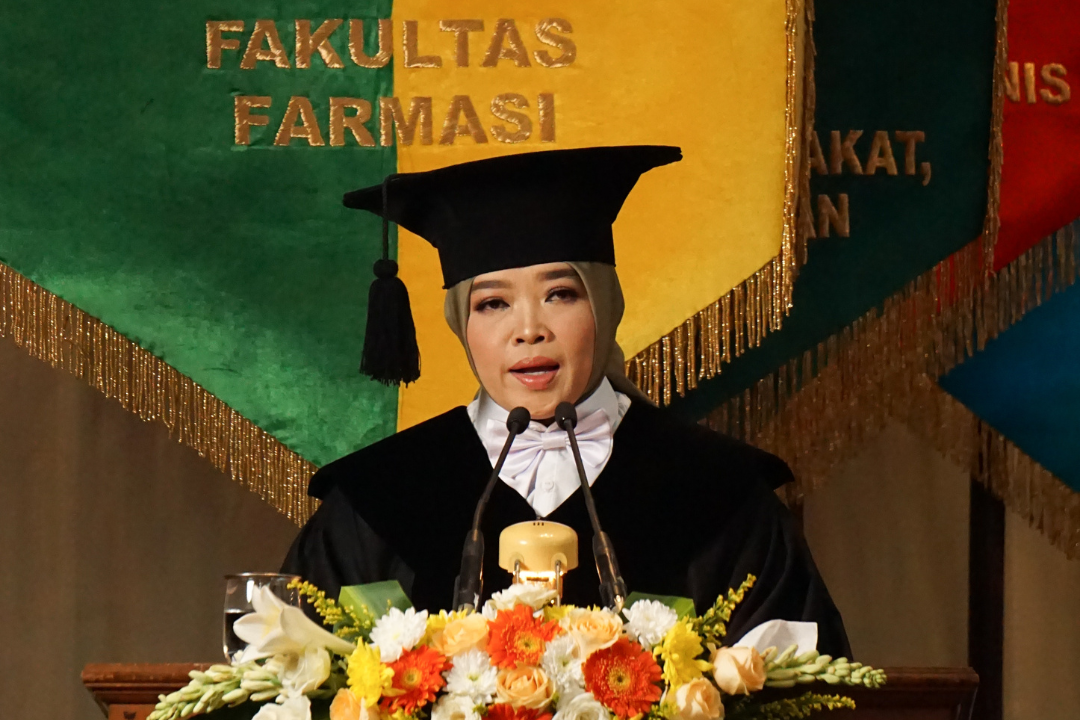
In his opening remarks, Dean of the Faculty of Pharmacy UGM, Prof. Dr. apt. Satibi, M.Si., emphasized that IBS 2025 serves not only as a scientific exchange but also as an important milestone in strengthening cross-sector and international research networks. “This forum is a strategic step to bridge fundamental research with clinical and commercial applications that deliver tangible benefits to society. Collaboration among academia, industry, and regulators is the key to building a self-reliant biopharmaceutical ecosystem in Indonesia,” he stated.
The event underscored the importance of synergy across sectors in addressing global challenges such as antimicrobial resistance, equitable access to medicines, and strengthening the resilience of the national biopharmaceutical supply chain. Drawing on Indonesia’s rich biodiversity and growing research capacity, the summit became a collaborative platform to accelerate the development of green pharmacy, bioprocessing technology, and biomanufacturing innovation as key pillars of transformation toward a bioindustry-driven economy.
This initiative also aligns with the Faculty of Pharmacy UGM’s commitment to advancing the Sustainable Development Goals (SDGs), particularly SDG 3 (Good Health and Well-being) through improved access and quality of healthcare, SDG 9 (Industry, Innovation, and Infrastructure) through research and technological innovation in the pharmaceutical sector, and SDG 17 (Partnerships for the Goals) through active collaboration among academia, industry, and government in building an inclusive and sustainable health future.