UGM Pharmacy Students Win First Place and Best Paper at the Medical Scientific Project 2025 with Herbal-Based Innovation for Type 2 Diabetes Therapy Using Ciplukan and Red Ginger Extracts

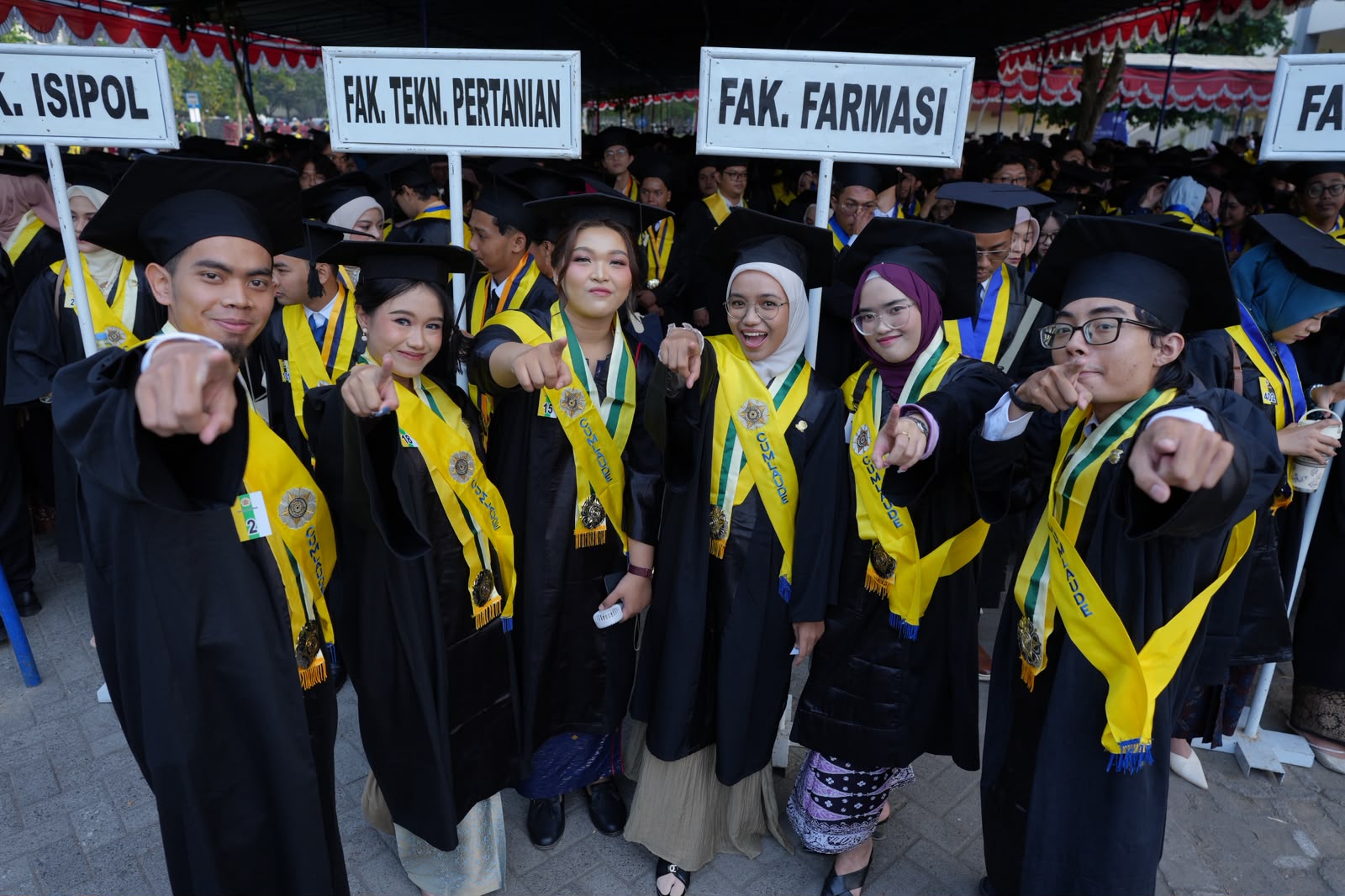
Yogyakarta, September 14, 2025 — Students from the Faculty of Pharmacy, Universitas Gadjah Mada (UGM), have once again brought pride to their university by winning First Place and Best Paper at the Medical Scientific Project (Medispro) 2025, a national scientific competition organized by the Research Community of the Faculty of Medicine, Universitas Negeri Semarang (UNNES).

This year’s Medispro carried the theme “Accelerating the Sustainable Development Goals (SDGs) through Youth as the Foundation of Golden Indonesia 2045.” The competition took place from July 7 to September 14, 2025, and consisted of two stages: a scientific paper selection and an offline final presentation at the Faculty of Medicine, UNNES. Participants came from various universities across Indonesia, including Universitas Airlangga, Universitas Jember, Universitas Brawijaya, and Universitas Negeri Semarang.

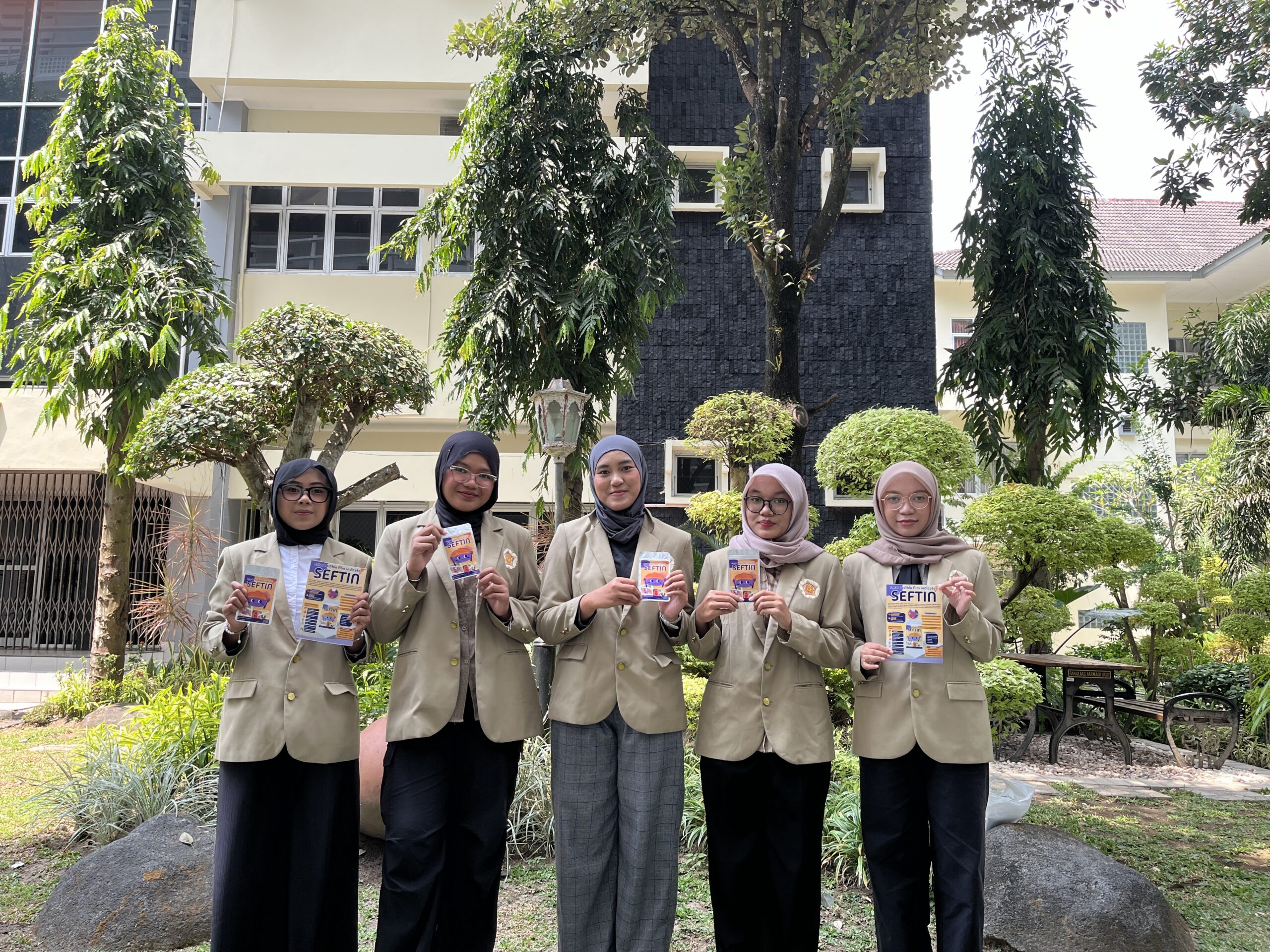
The UGM Pharmacy team, led by Moh. Basofi Muzaky with members Wimala Sephastika and Ngaisah Intan Nuraini, advanced to the final round after achieving the highest score in the preliminary stage. The final round spanned two days, featuring scientific presentations, a Semarang city tour, and an Innovative Entrepreneurship Seminar, followed by the announcement of winners.

In the competition, the team presented an innovative Type 2 Diabetes Mellitus (T2DM) therapy utilizing Ciplukan (Physalis angulata) and Red Ginger (Zingiber officinale var. rubrum) extracts, integrated with a modern drug delivery system using microneedle technology. This novel approach offers a non-invasive and effective alternative to conventional oral medications such as metformin, which undergoes first-pass metabolism, and insulin injections, which can be painful and invasive for patients.

Through comprehensive scientific analysis, the team found that combining Ciplukan and red ginger extracts produced a synergistic effect in lowering blood glucose levels and improving insulin sensitivity. Their visionary idea not only focuses on therapeutic efficacy but also highlights the untapped potential of Indonesia’s rich biodiversity as a sustainable source of herbal-based medicines.

This achievement aligns strongly with the United Nations Sustainable Development Goals (SDGs), particularly SDG 3 (Good Health and Well-being) through the development of innovative treatments for non-communicable diseases, SDG 9 (Industry, Innovation, and Infrastructure) through the integration of modern pharmaceutical technology, and SDG 15 (Life on Land) by promoting the sustainable use of biological resources.

Share this post
Type Keyword to Search