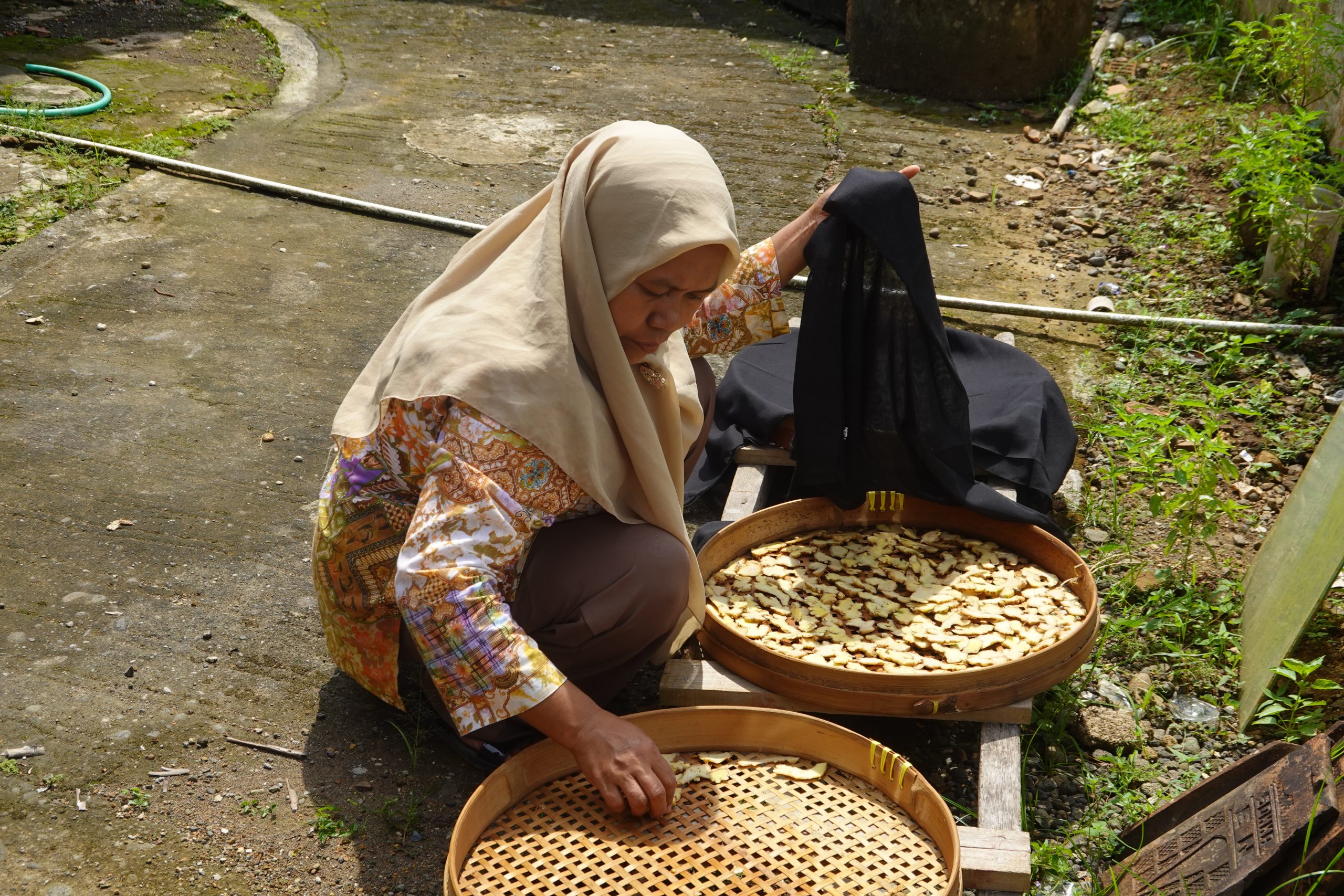
Kulon Progo, May 9, 2026 — The Faculty of Pharmacy, Universitas Gadjah Mada, carried out a community engagement program titled “Empowering the Women of Hargotirto Village, Kulon Progo in the Development of Herbal-Based Pharmaceutical Products through Ginger Quality Standardization Based on 6-Shogaol Content” in Hargotirto Village, Kulon Progo, Special Region of Yogyakarta.
The EQUITY Community Development Program 2026 of Universitas Gadjah Mada introduced a community empowerment initiative through this activity as part of applied research-based community service supported by international collaborators.
This program aims to enhance the capacity and empowerment of rural women, particularly farmers’ wives grouped within the “Srikandi Desa” community, through the development of safe, high-quality, and economically valuable natural-based pharmaceutical products. The activity is part of the EQUITY Grant Program of Universitas Gadjah Mada and reflects the Faculty of Pharmacy’s commitment to supporting community health development based on local potential while strengthening the implementation of the Sustainable Development Goals (SDGs).
The term “Srikandi Desa Hargotirto” reflects the active role of women in community empowerment activities in the area. Since 2010, Hargotirto Village has been developed as a model village for community empowerment by Solidaritas Istri Kabinet Indonesia Bersatu (SIKIB) in collaboration with Universitas Gadjah Mada, with one of its main focuses being women’s empowerment. To date, there are 11 active Women Farmers Groups (Kelompok Wanita Tani/KWT) contributing to various productive activities, with one group even achieving first place at the regency level.
The development of herbal-based products was chosen because Kulon Progo Regency is known as one of the main centers of herbal spice production (empon-empon) in the Special Region of Yogyakarta. Data from Statistics Indonesia (BPS) show that herbal spice production in this region is highly dominant compared to other regencies and cities, particularly for ginger, which contributes to a significant portion of regional production. The herbal commodities developed include ginger, aromatic ginger (kencur), turmeric, black turmeric (temu ireng), fingerroot (temu kunci), galangal, and Javanese ginger (temulawak).
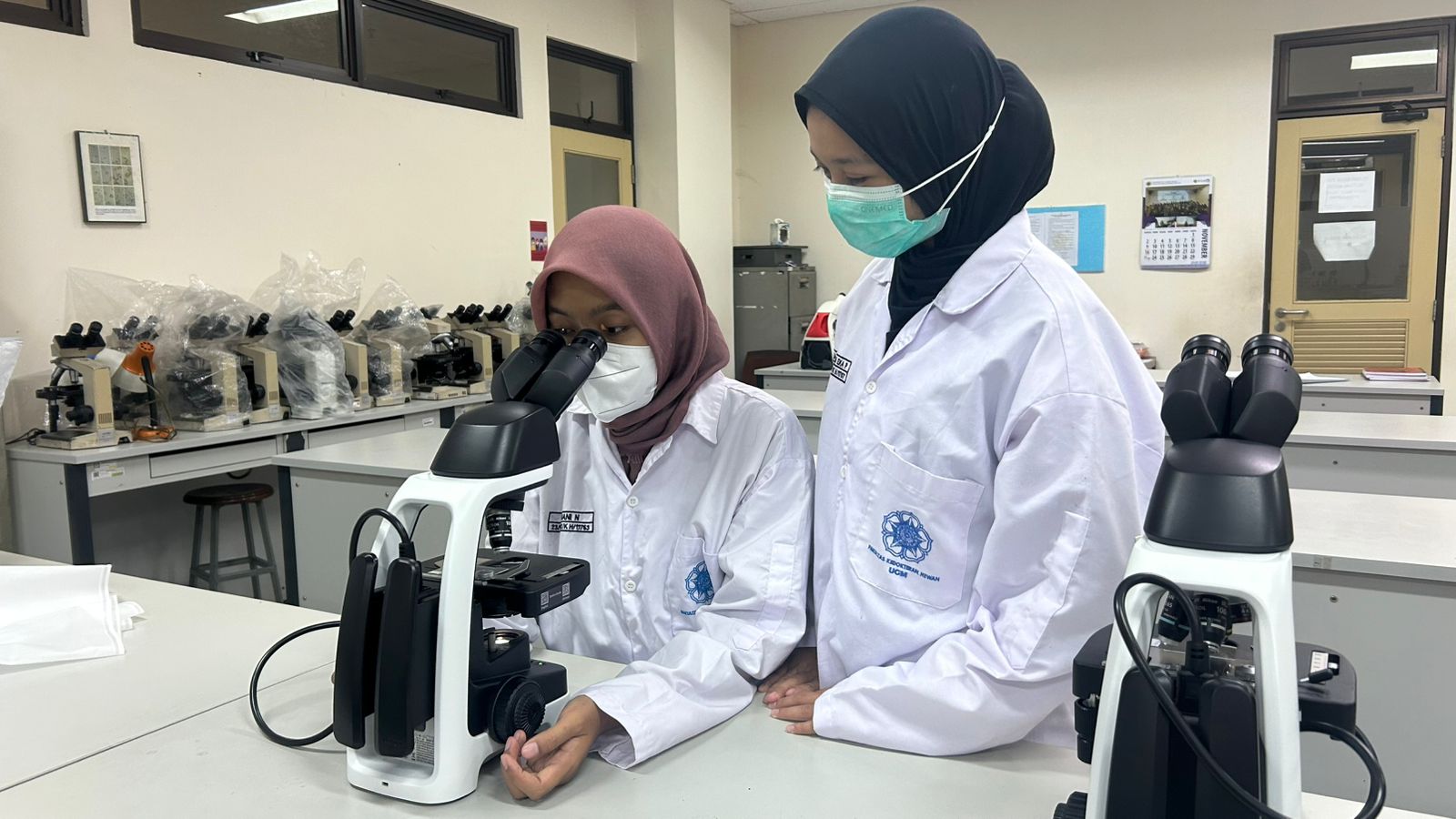
Ginger was selected as the main commodity due to its strong potential as a raw material for herbal products. However, post-harvest handling and quality standardization based on active compound content remain challenges at the community level. One of the main focuses of this program is determining ginger quality based on active compound content. Ginger contains important bioactive compounds such as 6-shogaol and 6-gingerol, which have various pharmacological activities, including anti-inflammatory, antioxidant, and antidiabetic effects. However, quality assessment of ginger at the community level has mostly been based on physical appearance rather than active compound content as a scientific parameter.
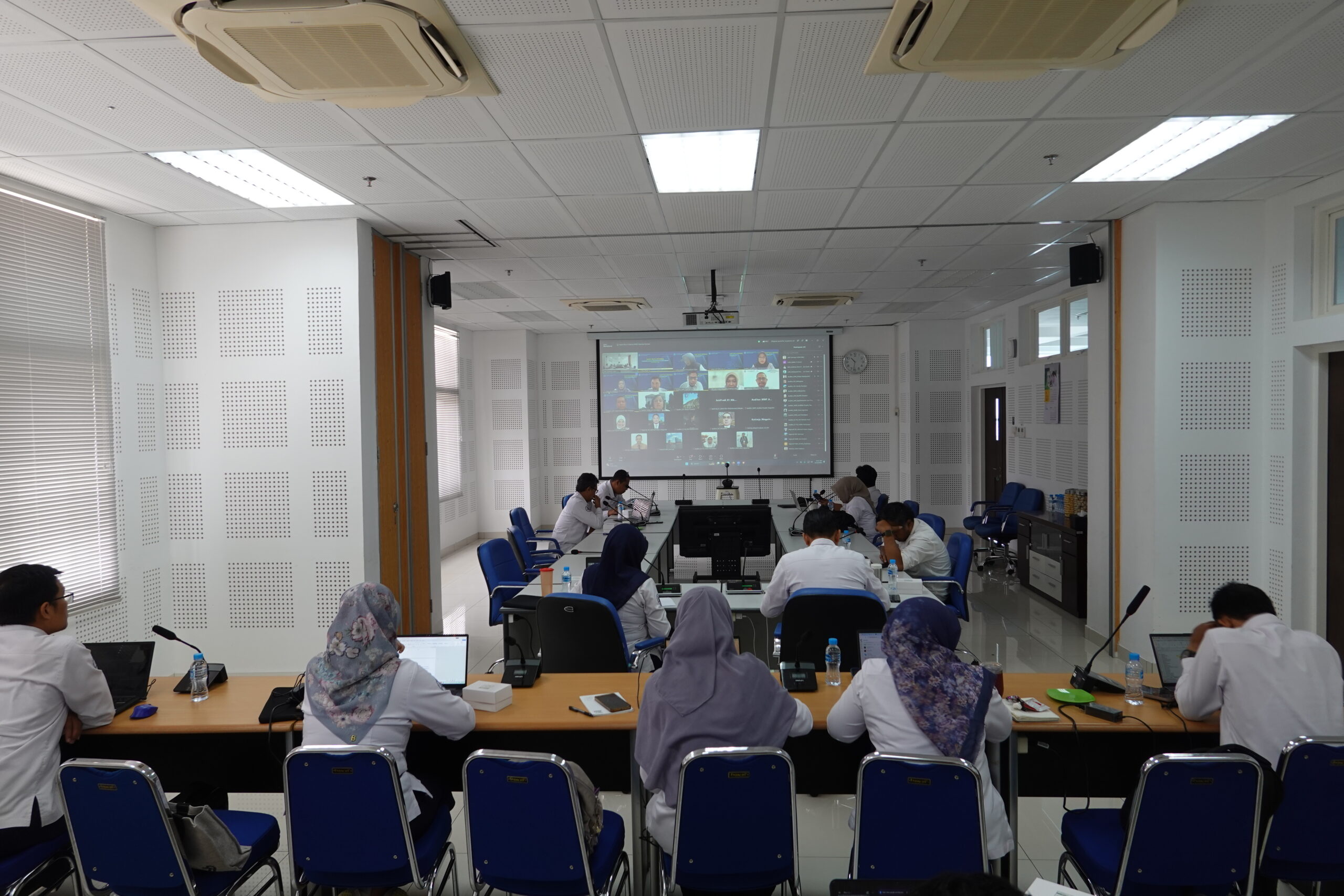
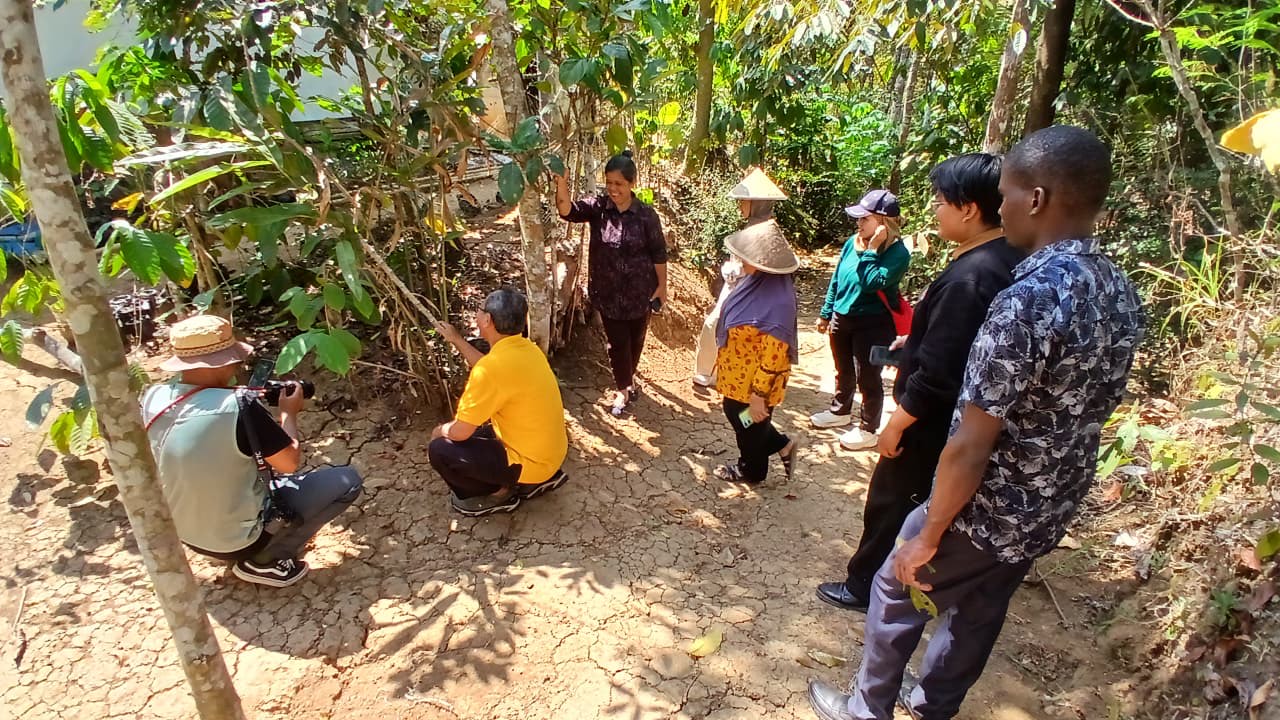
Through this program, the community engagement team introduced ginger quality standardization based on 6-shogaol content as a scientific parameter to ensure the quality of processed herbal products. The activities conducted on May 9, 2026 included program socialization, training sessions and focus group discussions (FGD), as well as workshops and hands-on ginger processing practices. Participants received guidance on post-harvest processing techniques, preparation of simple herbal formulations, and the application of appropriate small-scale household technology to improve product quality and added economic value.
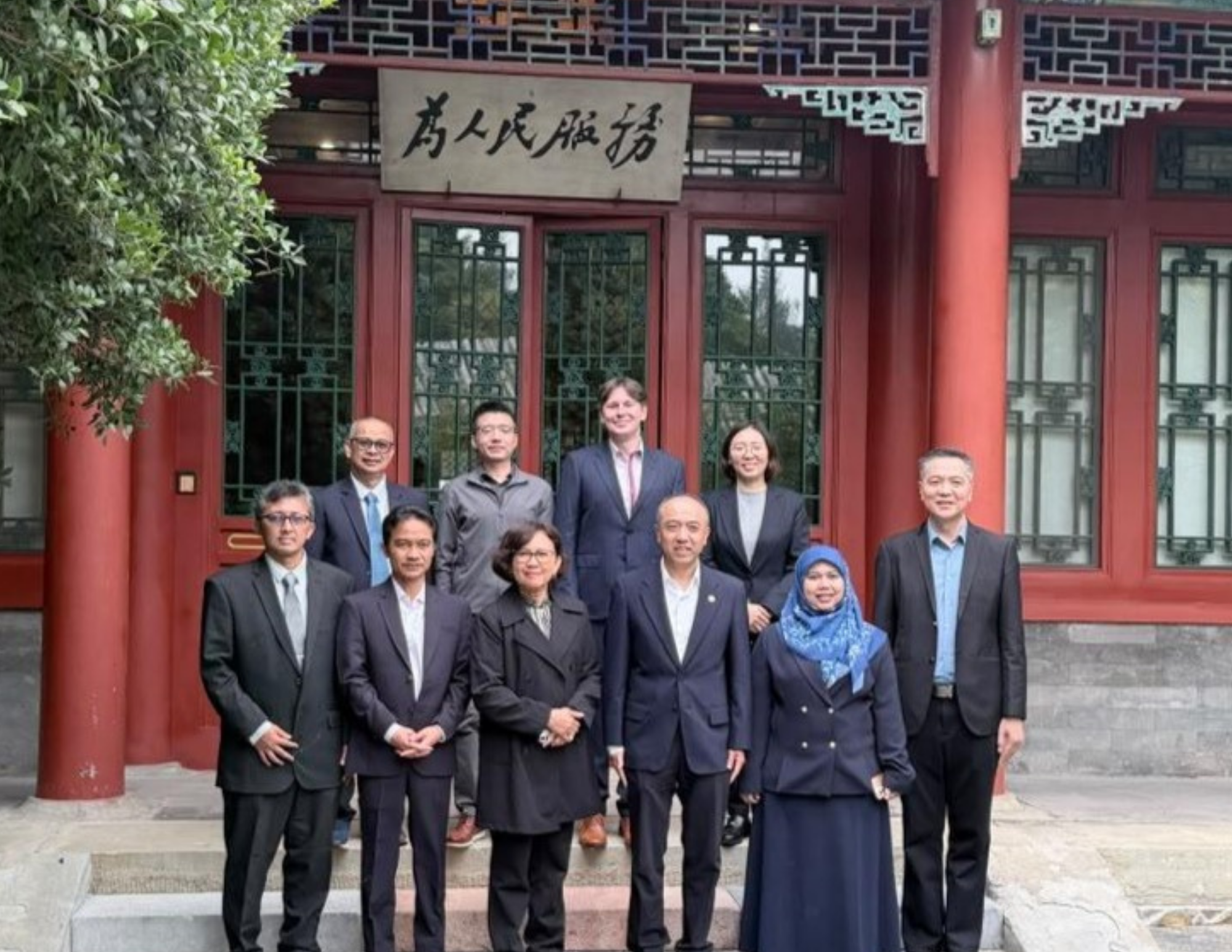
In addition to strengthening technical capacity, the program also encourages the formation of women’s working groups as community-based production units expected to drive sustainable local economic growth. The activity was further strengthened through international collaboration to support knowledge transfer, innovation, and the sustainability of community empowerment programs.
According to Prof. Agung Endro Nugroho, Chair of the EQUITY Community Engagement Program of the Faculty of Pharmacy UGM 2026, this science-based approach is expected to increase the added value of herbal products while strengthening the economic independence of the community, particularly women’s groups in Hargotirto Village.
Through this program, the Faculty of Pharmacy UGM aims to improve the capacity of at least 20 rural women participants, develop a ginger quality guideline based on 6-shogaol content, and produce high-quality processed ginger products with added economic value.
This program aligns with several SDGs, including SDG 3 (Good Health and Well-Being) through the development of safe and high-quality natural-based pharmaceutical products, SDG 5 (Gender Equality) through empowering rural women as the main actors in herbal product development, SDG 8 (Decent Work and Economic Growth) through improving rural community income, and SDG 12 (Responsible Consumption and Production) through the development of standardized and sustainable herbal production.
Writer: Rizqi Vazrin | Editor: Fathul | Photo: Rizqi Vazrin